
Digital transformation has reshaped how companies communicate, collaborate, and make decisions. Today, many organizations are investing in The Best Meeting Room in Indonesia Based on Hybrid Collaboration Technology to ensure discussions run effectively for participants who attend physically and those who join remotely. The rise of hybrid work has made traditional meeting rooms insufficient. Companies now require collaborative spaces supported by intelligent technology, professional audio-visual systems, and seamless communication platforms.
This shift is not limited to technology companies. Government institutions, corporations, and educational organizations have also started adopting hybrid collaboration systems. They understand that the quality of communication during meetings directly influences the speed and accuracy of decision-making.
A modern meeting room is no longer just a place to gather around a table. It has evolved into a strategic collaboration hub. Audio-visual technology now serves as the backbone that ensures every idea is delivered clearly and efficiently.
Through hybrid collaboration systems, teams located in different cities or even countries can interact naturally. Participants can discuss, share presentations, and brainstorm ideas without being limited by physical distance.
The Evolution of Meeting Rooms in the Hybrid Work Era
Over the past few years, the global working culture has undergone significant changes. Many companies have adopted hybrid work models to provide flexibility for their employees.
This transformation has also changed how meeting spaces are designed and utilized. In the past, meetings only involved participants physically present in a room. Today, meetings frequently combine participants from offices, homes, and even different countries.
Video conferencing technology has become a central element of modern meeting rooms. This system allows real-time communication with high-quality visual interaction.
Companies are also implementing wireless presentation systems that allow participants to share content directly from laptops or smartphones without using cables.
This convenience makes meetings far more efficient. Time is no longer wasted on setting up equipment or managing technical connections.
As a result, many organizations are now searching for The Best Meeting Room in Indonesia Based on Hybrid Collaboration Technology to support their long-term workplace strategies.
The Best Meeting Room in Indonesia Based on Hybrid Collaboration Technology
Understanding Hybrid Collaboration in Business
Hybrid collaboration refers to a working method that combines physical and digital interaction simultaneously. In one meeting session, some participants are present in the room while others join through online conferencing platforms.
This approach provides greater flexibility for organizations. Teams can work and communicate from various locations without compromising the quality of interaction.
Hybrid collaboration technology generally consists of several key components.
The first is a high-resolution conference camera capable of capturing the entire meeting room with a wide viewing angle.
The second is a professional microphone system designed to capture voices clearly from multiple directions.
The third is a high-quality speaker system that ensures every participant can hear the conversation clearly.
The fourth is a display or interactive smart board that supports digital presentations and collaborative content sharing.
By combining these technologies, hybrid meetings can run smoothly and naturally for both in-room and remote participants.
Essential Technologies in Modern Meeting Rooms
Companies that aim to create professional meeting environments must carefully consider the technology used. The right infrastructure determines the overall communication quality during meetings.
AI-Powered Video Conference Systems
Modern conference cameras are now equipped with artificial intelligence features. These systems can detect who is currently speaking in the meeting.
The camera automatically adjusts its focus toward the active speaker. This feature allows remote participants to follow the discussion more clearly.
Some cameras also include auto-framing technology. This system automatically adjusts the composition of the image depending on the number of participants in the room.
These technologies make the meeting experience more professional and engaging.
Professional Audio Systems
Audio is one of the most critical components in hybrid meeting environments. Without a reliable audio system, communication can quickly become ineffective.
Modern microphone arrays utilize beamforming technology. This system captures voices with high precision from specific directions.
Noise reduction technology also eliminates background noise that might disrupt conversations.
Professional speakers ensure that remote participants’ voices sound natural inside the meeting room.
Interactive Smart Displays
Smart displays allow participants to collaborate visually during meetings. Users can write directly on the screen while presenting ideas.
This feature is particularly useful during brainstorming sessions. Ideas can be captured instantly and shared with all participants.
Remote attendees can also view annotations in real time.
This capability makes meetings more interactive and productive.
Wireless Presentation Systems
Wireless presentation systems simplify screen sharing during meetings. Participants no longer need HDMI cables or adapters.
With a simple network connection, presentations can be displayed on the main screen.
This technology significantly speeds up meeting flow and allows presenters to switch quickly without delays.
Meeting Room Automation
Modern meeting rooms also incorporate automation systems that integrate lighting, displays, cameras, and audio equipment into a single control interface.
Users only need to press one button to start a meeting. The system will automatically activate the necessary devices.
Automation simplifies the user experience and reduces technical barriers during meetings.
Case Study: Hybrid Meeting Room Implementation in Indonesia
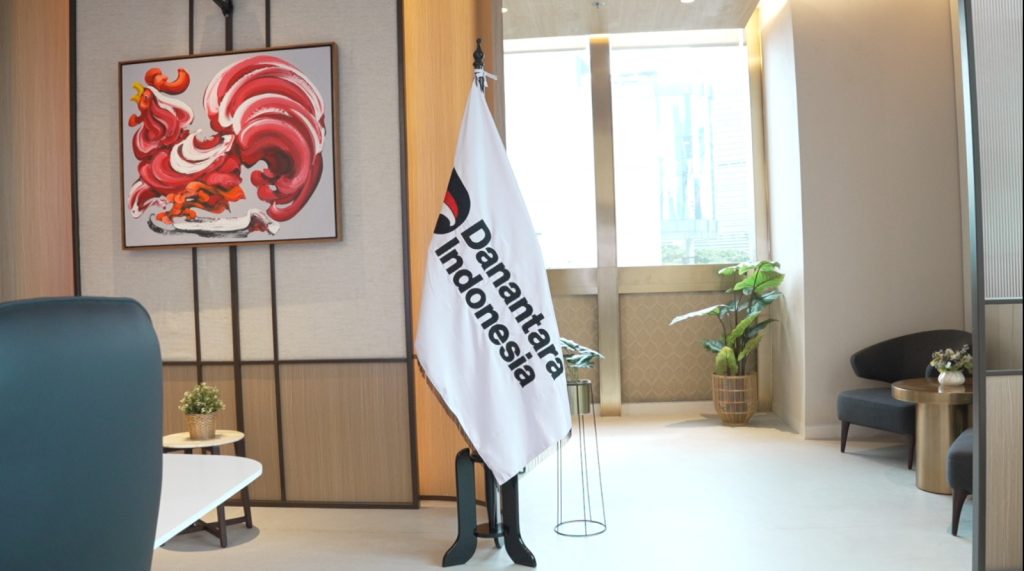
Modern meeting room technology has already been implemented in several major organizations in Indonesia. One notable example is the Nusantara Meeting Room at Danantara Indonesia.
This meeting room was designed as an advanced hybrid meeting environment that supports executive-level discussions where clarity, reliability, and seamless communication are essential.
CSA Indonesia delivered a sophisticated hybrid collaboration solution for the space. The system prioritizes operational stability while ensuring ease of use for high-level meetings.
The entire infrastructure is built on a Crestron AV over IP platform. This technology allows high-quality audio and video distribution across an IP network.
This approach provides greater flexibility in managing audio-visual systems while maintaining the reliability required for critical business discussions.
The room is also equipped with AI auto-tracking cameras. These cameras automatically follow the active speaker during meetings.
This feature ensures that remote participants can clearly see who is speaking without requiring manual camera adjustments.
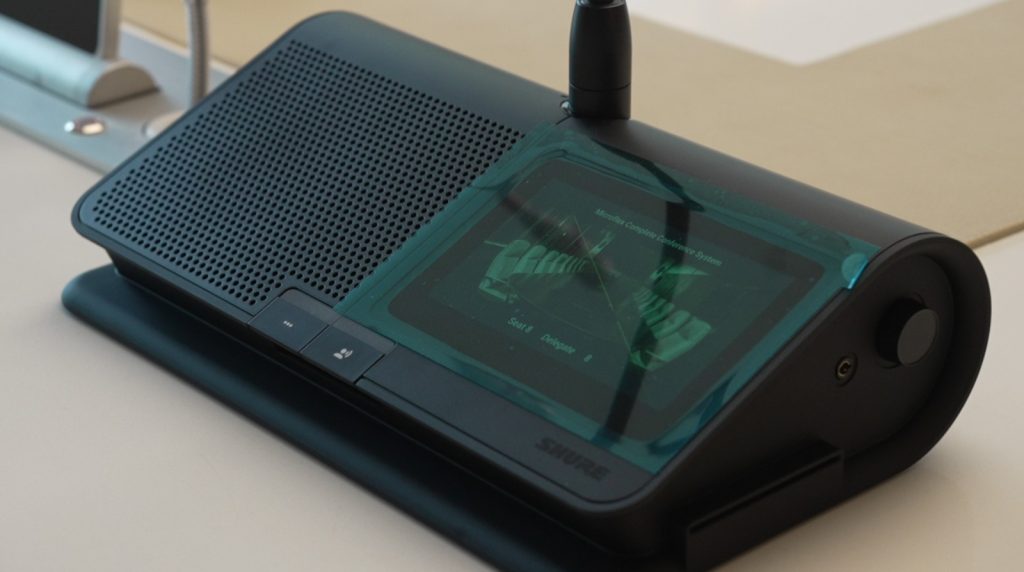
In addition, the system uses a wireless delegate microphone setup. These microphones allow participants to speak naturally without being restricted by cables.
The system keeps discussions organized while ensuring every voice is captured clearly.
The final result is a refined hybrid meeting environment where technology operates seamlessly in the background.
Participants can focus entirely on discussion, collaboration, and strategic decision-making.
This implementation demonstrates how organizations can create The Best Meeting Room in Indonesia Based on Hybrid Collaboration Technology through proper system integration and professional design.
Business Benefits of Hybrid Meeting Rooms
Modern meeting rooms provide numerous advantages for organizations. These technologies not only enhance meeting experiences but also accelerate business operations.
One major benefit is improved communication efficiency. Participants can join meetings from any location without compromising discussion quality.
Team productivity also increases because meetings can start quickly with minimal technical preparation.
Hybrid meeting rooms help companies reduce travel expenses. Many discussions that previously required business trips can now take place virtually.
Organizations can also expand collaboration with global partners through seamless video communication.
By implementing the right infrastructure, companies can build The Best Meeting Room in Indonesia Based on Hybrid Collaboration Technology that supports long-term business strategies.
Challenges in Implementing Meeting Room Technology
Despite its many benefits, implementing modern meeting room systems also presents several challenges.
One major challenge is integrating devices from multiple vendors. Without proper system integration, technology may become difficult to operate.
Network stability is another critical factor. Hybrid meetings require reliable and high-speed internet connections.
Organizations must also prioritize data security. Conference systems should include adequate protection against unauthorized access.
The best solution is to work with professional audio-visual integrators who can design systems tailored to organizational needs.
The Future of Meeting Rooms in the Digital Workplace
Technological innovation will continue transforming how organizations collaborate. Meeting rooms of the future will become increasingly intelligent and connected.
Artificial intelligence is already being used to automatically transcribe meetings. This technology can generate discussion summaries within minutes.
Some systems are also capable of translating conversations in real time, enabling global teams to communicate without language barriers.
Immersive meeting technology is also emerging. These systems create experiences that make remote participants feel as if they are physically present in the same room.
These innovations will further strengthen the concept of The Best Meeting Room in Indonesia Based on Hybrid Collaboration Technology as the new standard for modern workplaces.
Organizations that adopt these technologies early will gain a significant competitive advantage in the rapidly evolving digital economy.
Investing in meeting room technology is not simply about upgrading office facilities. It is about building the foundation for productivity, innovation, and effective collaboration.
Conclusion
Hybrid collaboration has become an essential part of the modern workplace. Organizations need meeting rooms capable of connecting teams efficiently regardless of location.
Audio-visual technology plays a crucial role in delivering professional meeting experiences. Video conferencing systems, high-quality audio, and smart displays form the core components of modern collaboration environments.
Implementations such as the Nusantara Meeting Room at Danantara Indonesia demonstrate how technology can create powerful collaboration spaces.
With proper planning and integration, organizations can build The Best Meeting Room in Indonesia Based on Hybrid Collaboration Technology to support the future of business communication.
Frequently Asked Questions (FAQ)
1. What is a hybrid meeting room?
A hybrid meeting room is a meeting space that allows participants to join both physically and virtually using conferencing technology.
2. Why is hybrid collaboration important for companies?
Hybrid collaboration allows teams to work from different locations while maintaining effective communication and productivity.
3. What technologies are required for a modern meeting room?
Key technologies include AI conference cameras, professional microphones, high-quality speakers, smart displays, and wireless presentation systems.
4. Why is audio quality important in hybrid meetings?
Clear audio ensures every participant can understand the discussion without interruptions or repeated explanations.
5. Does a hybrid meeting room require a special internet connection?
Yes. Stable and high-speed internet is essential to maintain video and audio quality during meetings.
6. What is the function of auto-tracking cameras in meeting rooms?
Auto-tracking cameras automatically follow the active speaker, making it easier for remote participants to focus on the discussion.
7. Can meeting room technology integrate with different conferencing platforms?
Yes. Professional meeting room systems are usually designed to support multiple conferencing platforms used by organizations.