
What is AV System Integration is a question that frequently arises as organizations increasingly adopt advanced communication and collaboration technologies. In today’s digital era, companies no longer rely on standalone audio and visual devices. Instead, they require fully connected systems that work seamlessly, operate automatically, and deliver a unified user experience.
Modern workplaces demand efficiency, flexibility, and reliability. As businesses shift toward hybrid work environments and digital collaboration, AV System Integration has become a critical foundation for operational success.
Without proper integration, audio, video, and control systems often function separately, creating inefficiencies and communication barriers. This is why integrated AV systems are now essential for corporate environments.
Understanding AV System Integration
AV System Integration is the process of connecting multiple audio, visual, and control technologies into one unified system that operates seamlessly.
Instead of managing each device separately, all components work together as a single ecosystem.
These components typically include:
- Professional audio systems (microphones, speakers, mixers)
- Visual systems (displays, projectors, LED screens)
- Video conferencing systems
- Room control systems
- Automation systems
- Network-based communication systems
The main goal is to simplify operations and create a more efficient and user-friendly environment.
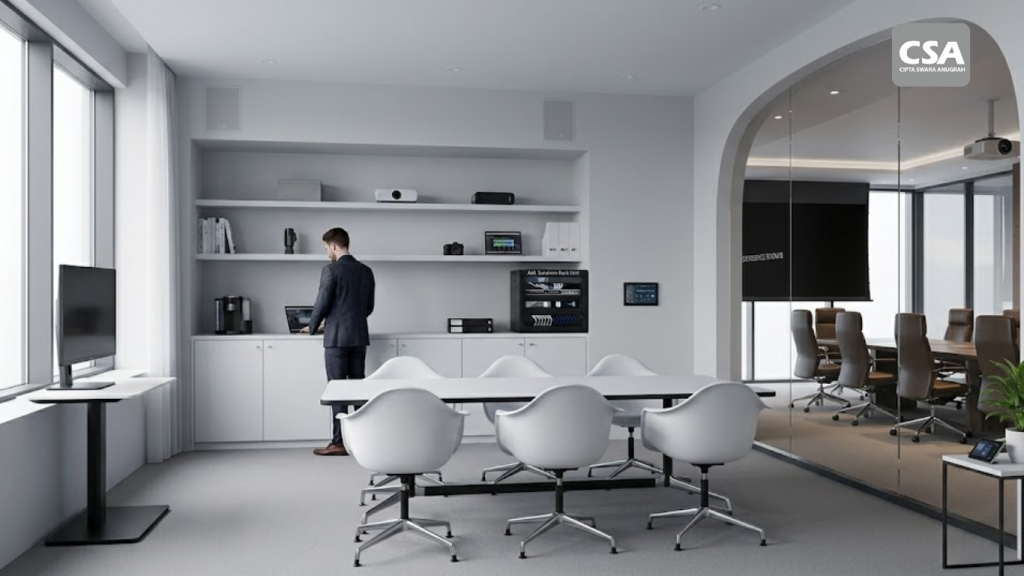
Why AV System Integration Is Important
Many companies believe that purchasing advanced AV equipment alone is enough to modernize their workspace.
However, in practice, this is not sufficient.
Without proper integration, organizations often face challenges such as:
- Devices that do not communicate with each other
- Complicated operation procedures
- Long setup times before meetings
- Frequent technical issues
- Inconsistent user experiences
AV System Integration solves these issues by ensuring all technologies work together in harmony.
The result is a streamlined system that improves efficiency and enhances collaboration.
How AV System Integration Works
AV System Integration works by connecting all devices through a centralized control system or network infrastructure.
The process typically involves several key stages:
1. Needs Analysis
The first step is understanding the business requirements and how the space will be used.
Different environments require different setups, such as:
- Small meeting rooms
- Large conference rooms
- Training rooms
- Command centers
2. System Design
At this stage, engineers design how all devices will connect and interact.
This includes:
- Audio and video signal flow
- Control system architecture
- Network configuration
- Automation logic
3. Installation
All hardware is installed according to the approved system design.
4. Configuration and Integration
Devices are configured and connected so they can function as one system.
5. Testing
The entire system is tested to ensure stability, performance, and compatibility.
6. Optimization and Maintenance
After deployment, the system is continuously optimized to maintain performance and adapt to user needs.
Key Components of AV System Integration
To better understand AV System Integration, it is important to look at its core components.
Audio Systems
These include microphones, speakers, and audio processors.
Their role is to ensure clear and consistent sound quality across the room.
Visual Systems
These consist of displays, LED walls, and projectors used for presentations and visual communication.
Video Conferencing Systems
These systems enable real-time communication between remote and in-person participants.
Control Systems
A centralized interface that allows users to manage all AV devices easily.
Automation Systems
Automation enables intelligent behavior such as:
- Lights turning on automatically when a room is in use
- Devices activating when a meeting starts
- Systems shutting down when the room is empty
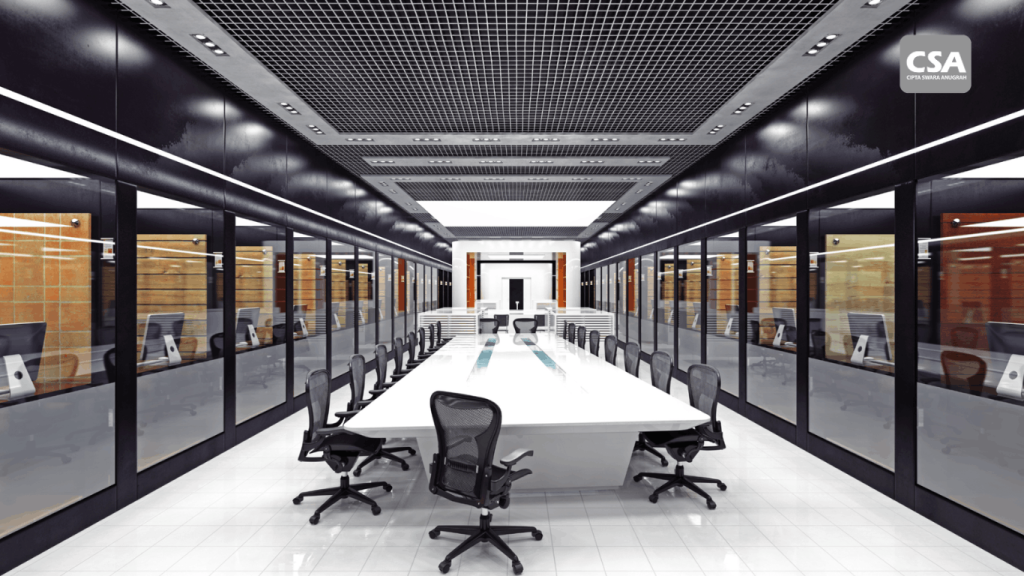
Benefits of AV System Integration
AV System Integration provides several important advantages for modern businesses.
1. Easier Operation
All systems can be controlled from a single interface, reducing complexity for users.
2. Improved Efficiency
Meetings and presentations can start faster without complicated setup procedures.
3. Better Communication Quality
Integrated systems deliver clearer audio and sharper visuals.
4. Reduced Technical Issues
A unified system reduces compatibility problems and system failures.
5. Increased Productivity
Employees can focus on their work instead of managing technical equipment.
AV System Integration in Modern Business Environments
Today, AV System Integration is widely used across various business environments, including:
- Smart meeting rooms
- Corporate offices
- Hybrid workspaces
- Training facilities
- Command and control centers
- Collaboration rooms
These environments require reliable and efficient communication systems to function effectively.
Challenges in AV System Integration
Despite its benefits, implementing AV System Integration can be complex.
Common challenges include:
- Compatibility issues between different brands
- Lack of proper system planning
- Network complexity
- Insufficient user training
- Technical configuration errors
This is why professional expertise is essential during implementation.
The Role of AV System Integrators
AV System Integrators play a crucial role in ensuring system success.
Their responsibilities include:
- Designing AV system architecture
- Integrating multiple technologies
- Configuring system settings
- Conducting performance testing
- Training end users
- Providing technical support
Without experienced integrators, systems often fail to reach their full potential.
The Future of AV System Integration
AV System Integration continues to evolve rapidly with advancements in technology.
Future developments will increasingly involve:
- Artificial Intelligence (AI)
- Internet of Things (IoT)
- Cloud-based systems
- Advanced automation and smart controls
These innovations will make AV systems more intelligent, adaptive, and efficient.
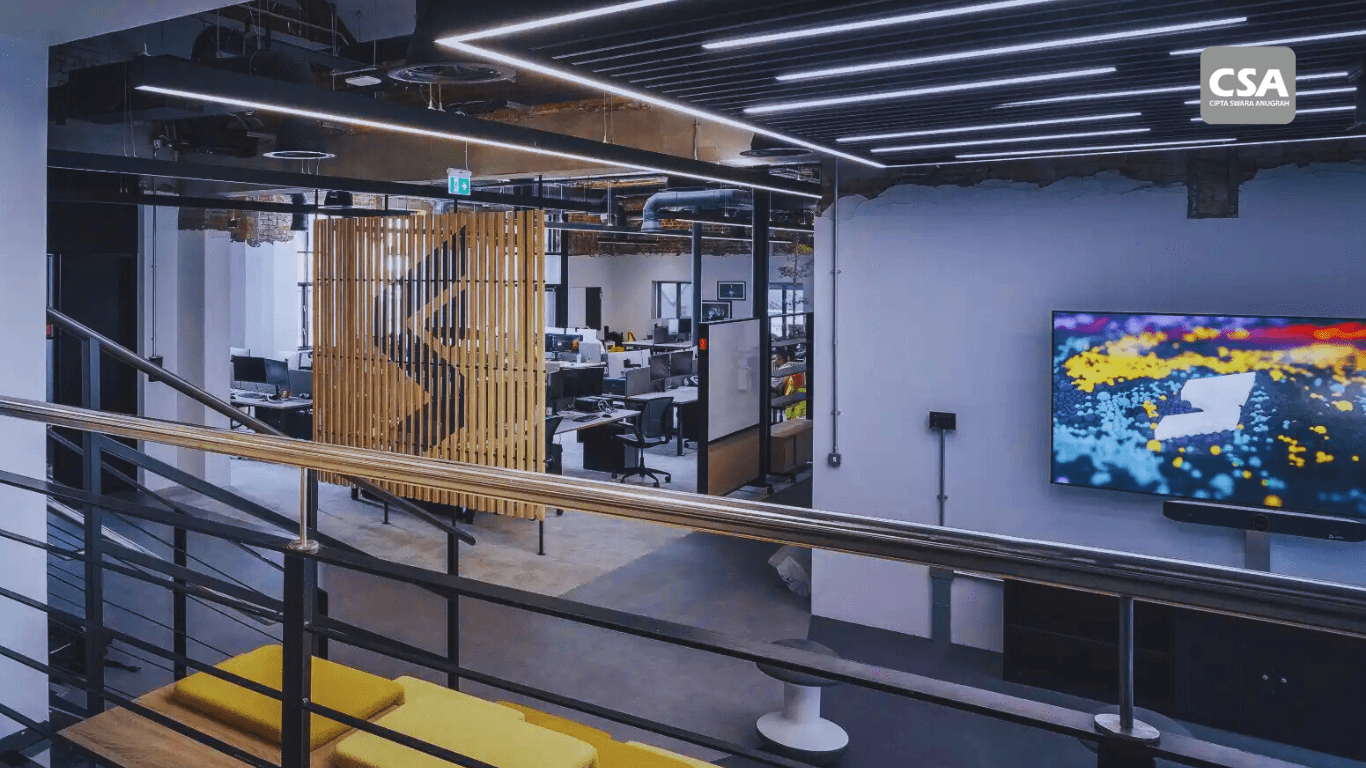
Conclusion
So, what is AV System Integration?
It is the process of combining audio, visual, and control technologies into a single, unified system that operates efficiently and intelligently.
More than just connecting devices, AV System Integration is about creating a seamless user experience that supports productivity and modern business needs.
As organizations continue to embrace digital transformation, integrated AV systems will play an increasingly important role in shaping the future of workplace communication and collaboration.
FAQ about AV System Integration
What is AV System Integration?
AV System Integration is the process of connecting audio, visual, and control systems into one unified platform.
Why is AV System Integration important?
Because it ensures all devices work together efficiently and reduces operational complexity.
What systems are included in AV integration?
Audio systems, video conferencing, displays, control systems, and automation technologies.
Is AV System Integration only for meeting rooms?
No, it is also used in offices, training centers, auditoriums, and control rooms.
What is the main benefit of AV System Integration?
Improved efficiency, better communication, and easier system management.
How does AV System Integration work?
It connects all devices through a centralized control system or network.
Who handles AV System Integration?
Professional AV System Integrators design and implement the system.
Can AV systems be upgraded in the future?
Yes, modern systems are designed to be scalable and upgradeable.
What happens if systems are not integrated?
Devices may not work together properly, leading to inefficiency and technical issues.
Why is integration better than standalone devices?
Because integration creates a seamless, automated, and more efficient workflow.