
Digital transformation is no longer optional. It has become a fundamental requirement for companies that want to stay relevant. Amid shifting work patterns and tighter market competition, the Benefits of AV Integration for Offices & Businesses in 2026 have become a strategic priority for business leaders. Audio visual integration is not merely about installing screens and speakers. It is about building a connected ecosystem that supports communication, collaboration, and faster decision-making.
The year 2026 brings new challenges. Hybrid work models are now permanent in many industries. Cross-city and cross-border meetings happen daily. Presentations must be more interactive and engaging. In this environment, integrated AV systems serve as the backbone of modern workplaces.
Transforming Workspaces into Smart Offices
Companies are racing to build smart offices. This concept combines technology, spatial design, and communication systems into one seamless ecosystem. AV integration plays a central role in making this vision possible.
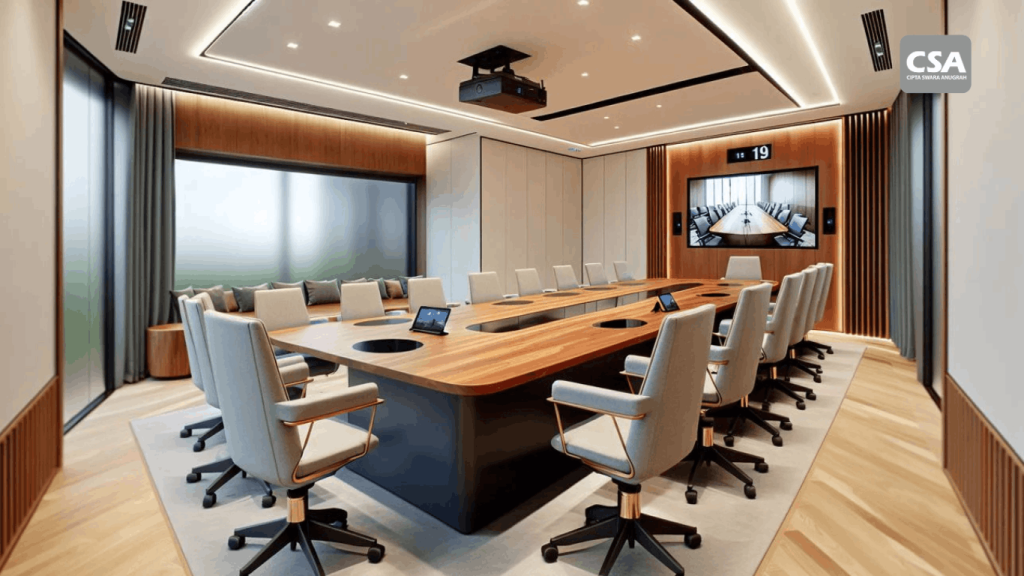
Modern meeting rooms no longer rely on conventional projectors. Businesses now install interactive displays, high-resolution conference cameras, intelligent microphones, and calibrated sound systems. All devices connect to a centralized control platform.
Employees no longer waste time managing cables or troubleshooting connections. With a single touch, they can activate screens, cameras, and audio systems simultaneously. Meetings begin on time and run smoothly.
Integrated systems also connect directly with platforms such as Zoom, Microsoft Teams, and Google Meet. This compatibility ensures uninterrupted communication across teams and locations.
Benefits of AV Integration for Offices & Businesses in 2026
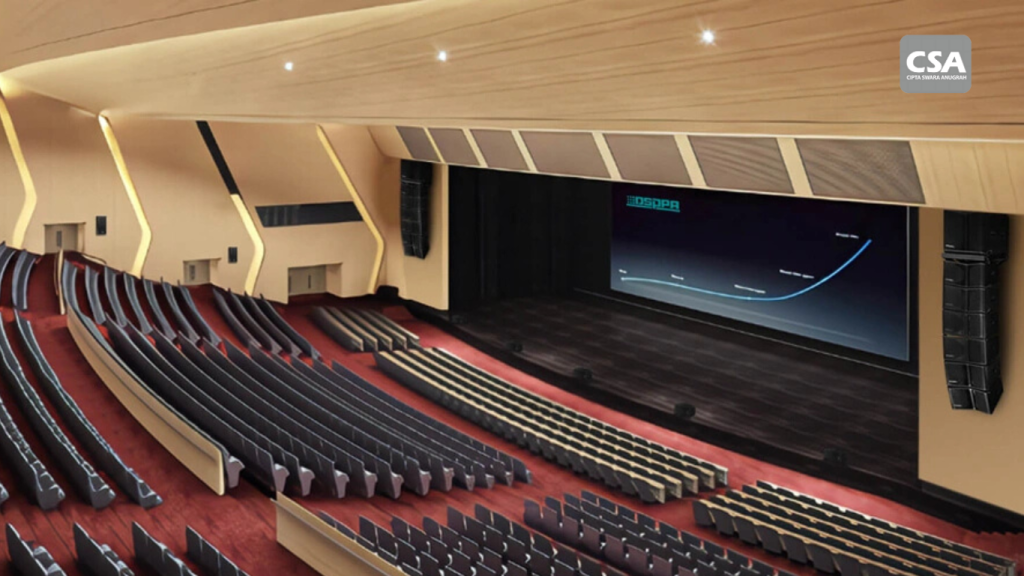
Driving Measurable Employee Productivity
Productivity depends not only on human resources but also on infrastructure. Integrated AV systems reduce downtime caused by technical issues and streamline meeting workflows.
Smooth meetings accelerate decision-making. Clear presentations reduce misunderstandings. Team discussions become more focused and structured.
Hybrid employees experience equal participation. They can see facial expressions clearly and hear discussions without distortion. Collaboration feels natural rather than fragmented.
When communication becomes seamless, execution speeds increase. As a result, business performance improves significantly.
Supporting Hybrid and Remote Work Models
Hybrid work is no longer a temporary adjustment. Many organizations have adopted it as a permanent policy. Integrated AV technology ensures that both on-site and remote employees enjoy the same meeting experience.
Auto-tracking cameras follow speakers automatically. Beamforming microphones capture voices clearly without requiring individual devices on every table.
These technologies create inclusive meetings. Remote participants are not passive observers. They engage actively and contribute meaningfully.
With the right infrastructure, location differences no longer hinder collaboration.
Enhancing Professional Image in Front of Clients
First impressions shape trust. When companies host clients or investors, meeting spaces represent their brand identity.
A modern AV setup demonstrates professionalism. Sharp visuals, clear audio, and streamlined controls reflect technological readiness and operational excellence.
Product presentations become more compelling. Interactive demonstrations help clients understand solutions comprehensively. This clarity increases closing opportunities and strengthens market positioning.
Organizations that adopt advanced technology early often earn a reputation for innovation and reliability.
Operational Efficiency and Long-Term Cost Savings
Many businesses perceive AV investment as expensive. However, long-term calculations often reveal cost efficiency.
Automation reduces the need for constant technical support during meetings. Connected systems minimize damage caused by incorrect device usage.
Real-time monitoring allows IT teams to detect issues before they escalate. Maintenance becomes proactive rather than reactive.
Virtual meetings also reduce travel expenses. Companies can allocate budgets to more strategic initiatives.
Integration with Building Automation and Security Systems
In 2026, integration goes beyond audio and video. AV systems can connect with lighting controls, room automation, and building security.
When a meeting starts, lights adjust automatically. Curtains close without manual intervention. All systems operate within one unified platform.
Data security remains a top priority. Modern conferencing systems include encryption and access controls. Companies can define permissions for each virtual space.
This unified control increases operational efficiency without sacrificing safety.
Supporting Interactive Data and Analytics Presentations
Modern businesses rely on data-driven strategies. Therefore, data visualization must be clear and impactful.
Interactive displays allow teams to manipulate data in real time. Charts can be expanded, compared, and analyzed collaboratively.
Teams can add digital annotations instantly. Discussion outcomes can be saved and distributed immediately.
This technology accelerates analysis and strengthens strategic planning.
Scalability for Business Growth
Growing companies require flexible systems. AV integration offers scalability that adapts to expansion plans.
When organizations open new branches, they can replicate the same technological standards. All offices connect within one communication ecosystem.
Headquarters can lead nationwide meetings without technical disruption. Consistency in infrastructure ensures uniform work experiences across locations.
Scalability builds a strong foundation for sustainable growth.
Strengthening Collaborative Work Culture
Corporate culture does not form solely from vision statements. Infrastructure plays a vital role in shaping collaboration.
Workspaces equipped with modern AV systems encourage open discussions. Ideas flow more freely. Visual concept presentations accelerate understanding.
Employees feel supported rather than hindered by technical limitations. They focus on innovation and creativity instead of troubleshooting.
An efficient environment fosters stronger teamwork and collective engagement.
Preparing for 2026 with a Technology-Driven Strategy
Competition in 2026 will become more complex. Businesses cannot rely only on marketing and sales strategies. Technological infrastructure determines long-term resilience.
Implementing integrated systems requires careful planning. Companies must evaluate room usage, user capacity, and operational needs.
Professional vendors typically conduct detailed assessments before designing solutions. This tailored approach ensures effective investment.
With strategic implementation, AV integration becomes a competitive advantage that is difficult to replicate.
Conclusion
Organizations that aim to thrive in the digital era must embrace transformation. Integrated audio visual systems are no longer optional add-ons. They are strategic assets.
The Benefits of AV Integration for Offices & Businesses in 2026 extend beyond technical performance. They influence workplace culture, operational efficiency, and long-term growth. Companies that leverage integrated technology effectively will stand stronger against market disruptions and evolving work models.
Today’s investment in smart infrastructure defines tomorrow’s competitive strength.
Frequently Asked Questions (FAQ)
1. What is AV integration?
AV integration combines audio, visual, and control systems into one unified platform that operates seamlessly across devices.
2. Does every office need an integrated AV system?
Not every office requires a complex system. However, organizations with frequent meetings, hybrid work setups, and regular presentations benefit significantly.
3. How long does AV system installation take?
Installation time depends on project scale. Standard meeting rooms may require only a few days, while larger projects take longer.
4. Is AV integration secure for corporate data?
Modern systems include encryption and access control features. Security depends on proper configuration and network design.
5. How should companies choose the right AV integration vendor?
Select vendors with proven experience, clear portfolios, and comprehensive consultation services. Reliable after-sales support is also essential.