
In today’s rapidly evolving work environment, the discussion around Smart Meeting Room VS Traditional Meeting Room has become increasingly relevant for companies aiming to stay competitive. The shift toward hybrid and remote work models has pushed organizations to rethink how meetings are conducted.
Meeting rooms are no longer just physical spaces for discussions. They have transformed into strategic hubs for collaboration, decision-making, and innovation. Understanding the key differences between smart meeting rooms and traditional setups is essential for making the right business investment.
Smart Meeting Room VS Traditional Meeting Room
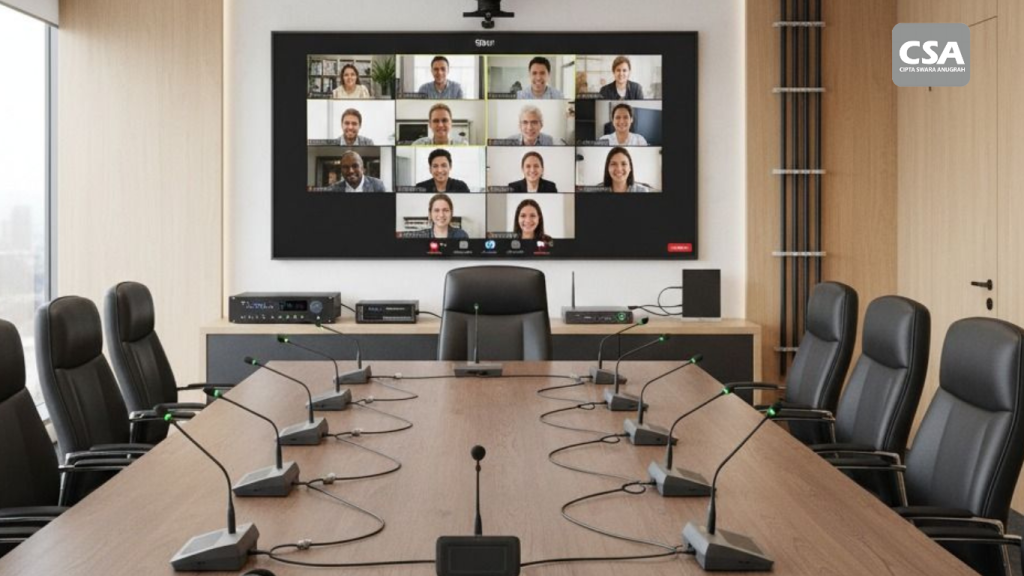
Definition of Smart Meeting Room and Traditional Meeting Room
A smart meeting room is a technology-driven space designed to enhance collaboration through integrated systems. It typically includes interactive displays, video conferencing equipment, intelligent audio systems, and cloud-based collaboration tools. All devices are connected and work seamlessly to deliver a smooth meeting experience.
On the other hand, a traditional meeting room relies on basic facilities such as tables, chairs, whiteboards, and projectors. Technology, if present, is usually limited and not integrated into a unified system.
This fundamental difference shapes how meetings are conducted and experienced in each environment.
Technology Comparison
From a technological standpoint, smart meeting rooms offer a significant advantage. These rooms enable instant connectivity between devices, allowing users to start presentations without dealing with cables or complicated setups.
Features such as screen sharing, digital whiteboards, and cloud integration make meetings more efficient and dynamic. Information can be accessed and shared in real time, enhancing collaboration.
In contrast, traditional meeting rooms often face technical limitations. Users must manually set up equipment, and minor issues like incompatible cables can disrupt the flow of a meeting.
Time Efficiency and Meeting Flow
One of the most noticeable differences in the Smart Meeting Room VS Traditional Meeting Room comparison is time efficiency. Smart meeting rooms are designed to minimize setup time, allowing meetings to start almost instantly.
Traditional meeting rooms, however, often require longer preparation. Tasks like setting up projectors or ensuring proper connections can delay the meeting.
This difference directly impacts productivity. The less time spent on technical setup, the more time teams can dedicate to meaningful discussions.
Team Collaboration Experience
Collaboration is a key factor in any meeting. Smart meeting rooms provide a highly interactive experience. Participants can write directly on screens, edit documents simultaneously, and visualize ideas in real time.
These rooms also enable remote participants to engage actively, thanks to high-quality audio and video systems. This ensures that communication remains effective regardless of location.
Traditional meeting rooms tend to offer a more passive experience. Discussions rely heavily on verbal communication, and visual collaboration is limited, which can hinder brainstorming sessions.
Flexibility in Hybrid Meetings
The rise of hybrid work demands greater flexibility. Smart meeting rooms are built to support this model effectively. Participants can join meetings from anywhere without compromising the experience.
Both in-person and remote attendees can interact equally, creating an inclusive environment that supports modern work dynamics.
Traditional meeting rooms are not designed for this level of flexibility. Without proper technological support, hybrid meetings often suffer from communication gaps.
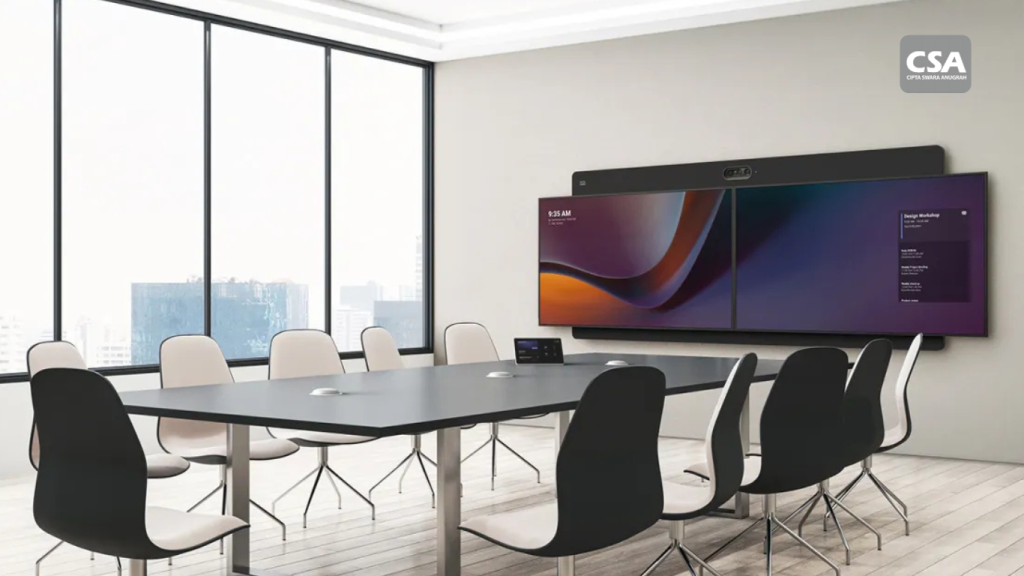
Impact on Company Productivity
Meeting quality plays a crucial role in overall company productivity. Smart meeting rooms help accelerate decision-making processes. Information is presented more clearly, and collaboration becomes more structured.
Additionally, meeting documentation is easier to manage. Data can be stored digitally and accessed whenever needed.
In traditional meeting rooms, note-taking is often manual. This increases the risk of losing important information or failing to document discussions effectively.
Cost Comparison and Investment Value
At first glance, traditional meeting rooms appear more cost-effective. They require minimal investment in technology.
However, when viewed from a long-term perspective, smart meeting rooms provide greater value. Benefits such as time efficiency, reduced travel expenses, and improved productivity contribute to a strong return on investment.
Companies that frequently conduct cross-location meetings will especially benefit from this technological upgrade.
The Role of CSA Indonesia in Smart Meeting Room Transformation
In transitioning from traditional setups to smart meeting environments, choosing the right solution provider is critical. CSA Indonesia plays a key role in delivering integrated Audio, Visual, Lighting, and Automation solutions tailored for modern business needs in Indonesia.
Rather than simply supplying equipment, CSA Indonesia takes a consultative approach. Each solution is customized based on the specific requirements of the client. From selecting the right interactive flat panels to implementing high-quality audio systems and video conferencing integration, every component is carefully planned to ensure optimal performance.
One of CSA Indonesia’s key strengths lies in seamless system integration. Within the context of Smart Meeting Room VS Traditional Meeting Room, integration becomes a defining factor. CSA ensures that all devices operate within a unified ecosystem that is easy to use and highly reliable, reducing technical disruptions commonly found in traditional meeting rooms.
Moreover, CSA Indonesia supports clients throughout the entire process, from initial implementation to ongoing maintenance. Their professional technical support ensures that companies can operate their smart meeting rooms without concern. This added value is particularly important for organizations transitioning into digital collaboration environments for the first time.
Through a structured and needs-based approach, CSA Indonesia enables businesses to adopt smart meeting room solutions effectively. With the right technology in place, meeting rooms evolve from simple discussion spaces into powerful collaboration hubs that drive productivity and innovation.
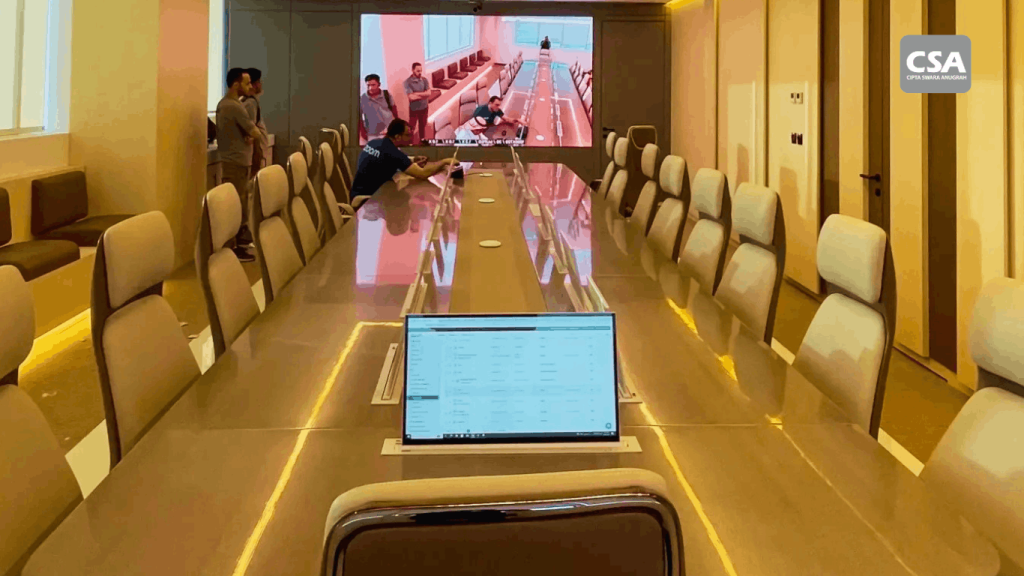
Impact on Professional Company Image
Meeting rooms also reflect a company’s identity. Smart meeting rooms create a modern, innovative, and professional impression. This is especially important when engaging with clients and business partners.
A seamless meeting experience supported by advanced technology builds trust and enhances credibility. It positions the company as forward-thinking and adaptable.
In contrast, traditional meeting rooms may give the impression of being outdated, particularly in fast-paced industries.
When Should Companies Transition?
The decision to transition should be based on business needs. Companies with frequent cross-location meetings and hybrid teams will benefit greatly from smart meeting rooms.
Organizations that rely heavily on collaboration and creative processes should also consider upgrading their meeting infrastructure.
However, for smaller businesses with simple requirements, traditional meeting rooms may still be sufficient for the time being. Even so, digital transformation should remain part of the long-term strategy.
Conclusion: Which One is Better?
Based on the comparison of Smart Meeting Room VS Traditional Meeting Room, smart meeting rooms clearly offer advantages in technology, efficiency, and collaboration.
Traditional meeting rooms still serve basic needs, but their limitations make them less suitable for modern business environments.
For companies looking to grow and remain competitive, investing in smart meeting room solutions is no longer just an option—it is a strategic necessity.
FAQ (Frequently Asked Questions)
1. What is the main advantage of a smart meeting room?
Its integrated technology enhances collaboration and improves meeting efficiency.
2. Are smart meeting rooms suitable for all companies?
Not always, but they are highly recommended for organizations with hybrid work models.
3. Are smart meeting rooms difficult to use?
No, most systems are designed to be user-friendly and intuitive.
4. How long does it take to implement a smart meeting room?
It depends on the complexity, but typically ranges from a few days to several weeks.
5. Are traditional meeting rooms still relevant?
Yes, for basic needs, but they have limitations in modern collaboration.
6. What are the main components of a smart meeting room?
Interactive displays, video conferencing systems, audio solutions, and collaboration software.
7. Can smart meeting rooms reduce costs?
Yes, especially by saving time and minimizing travel expenses.