
Smart Lighting Automation is becoming an increasingly important part of modern building technology. It allows lighting systems to respond automatically to room conditions, user activities, schedules, and operational requirements.
Its purpose goes beyond making lights easier to control. A well-designed system can help improve energy efficiency, enhance user comfort, and create a better overall experience within a space.
This technology is increasingly used in offices, hotels, restaurants, meeting rooms, shopping centers, and other commercial facilities. Each space has different functions and activities. Therefore, its lighting system also requires a flexible approach.
However, implementing this technology involves more than simply installing lights that can be controlled automatically. A complete solution requires careful consideration of sensors, control devices, network infrastructure, lighting scenes, and integration with other building systems.
What Is Smart Lighting Automation?
Smart Lighting Automation refers to a lighting system that can be controlled automatically through sensors, schedules, software, or centralized control systems.
With conventional lighting, users must switch lights on and off manually. This approach may work well in simple spaces. However, managing lighting becomes more challenging when a building contains multiple areas with different functions.
Automation allows building operators to define how lighting should respond to specific conditions. Lights can turn on when someone enters a room. The system can also reduce lighting intensity when sufficient natural light is available.
Users can still control the system manually through wall panels, touch panels, applications, or other user interfaces. Automation does not eliminate human control. Instead, it provides more flexible ways to manage lighting.
This approach allows lighting to respond more effectively to the needs of each space.
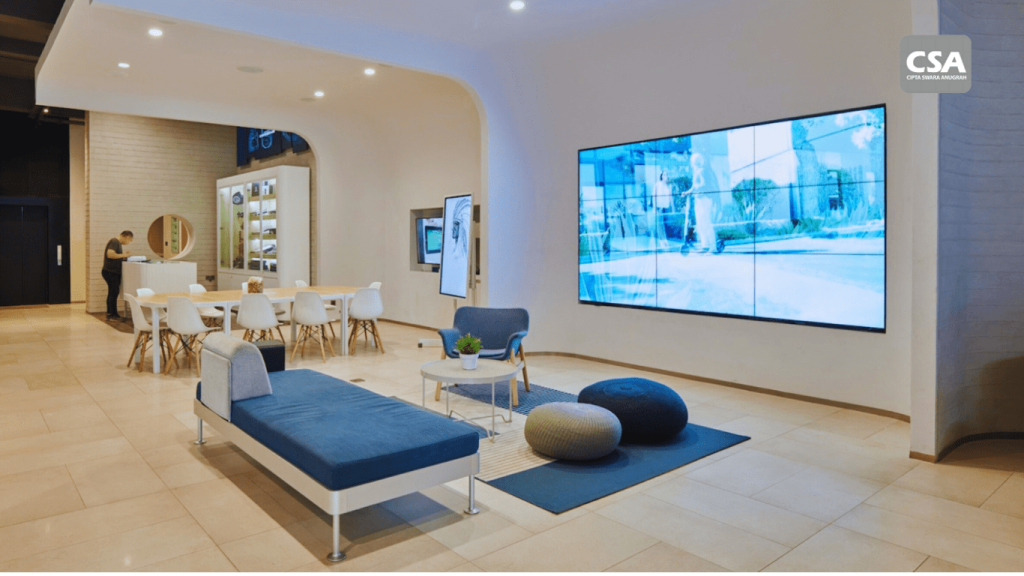
Read Also: Lighting Design Integrated with AV System with CSA Indonesia
How Does Smart Lighting Automation Work?
The technology works through several components that communicate with one another. Sensors collect information about the surrounding environment and send it to the control system.
For example, an occupancy sensor can detect whether someone is present in a room. When a user enters the space, the system can automatically activate the lighting in a specific zone.
A daylight sensor works differently. It measures the amount of natural light available inside the room.
When sunlight provides sufficient illumination, the system can reduce the intensity of artificial lighting. When the room becomes darker, the system can increase the lighting level.
Schedules can also serve as control parameters. Lighting in a work area can turn on before operating hours begin. After working hours, the system can automatically switch off selected areas.
Multiple conditions can also work together within a single scenario. The system then responds according to predefined rules.
This approach makes lighting more responsive while reducing the need for constant manual adjustments.
Key Components of a Smart Lighting System
A smart lighting solution consists of several components that work together. Each component should be selected according to the requirements of the space.
Lighting Fixtures
Lighting fixtures provide the actual illumination. Their selection should consider the room’s function, required light levels, light distribution, and interior design.
Different spaces require different types of fixtures. A workplace, restaurant, hotel lobby, and presentation room may each require a different lighting approach.
Occupancy Sensors
Occupancy sensors detect the presence of people in a particular area. The system can use this information to turn lights on, off, or adjust their intensity.
They are particularly useful in meeting rooms, corridors, restrooms, workspaces, and other areas with specific usage patterns.
Daylight Sensors
Daylight sensors measure the amount of natural light available inside a space. This information allows the system to determine how much artificial lighting is actually required.
They are especially useful in rooms with large windows or significant access to natural daylight.
Lighting Controllers
A lighting controller acts as a central point for managing lighting devices. It receives information from sensors and executes commands based on predefined configurations.
Controllers can also manage multiple lighting zones. This allows operators to apply different settings to different areas.
Control Panels and User Interfaces
Users need an interface to operate and adjust lighting scenes. This may take the form of a wall panel, touch panel, application, or centralized control system.
A well-designed interface makes operation simple. Users do not need to understand the technical configuration to activate a specific lighting mode.
Network and Communication Infrastructure
Connected devices require a communication network to exchange information. Network infrastructure therefore becomes an important part of the overall design.
A properly designed network helps ensure stable communication and responsive system performance.
Benefits of Smart Lighting Automation for Modern Buildings
Automated lighting provides benefits that go far beyond convenient control.
Optimizing Energy Consumption
Lights that remain on in empty rooms can increase energy consumption. This often happens in spaces that are not continuously occupied.
Occupancy sensors can help reduce unnecessary usage. Lights can turn off or dim when no activity is detected.
Daylight sensors can also help maximize the use of natural light. The system adjusts artificial lighting according to actual room conditions.
Improving User Comfort
Lighting requirements change depending on the activity taking place. Presentations, discussions, office work, and video conferences all require different lighting conditions.
Lighting scenes allow users to change the room environment quickly. Instead of adjusting individual fixtures, users can simply select the appropriate mode.
Simplifying Facility Management
Buildings with multiple rooms require structured control. Facility managers may find it inefficient to inspect and operate each lighting point manually.
A centralized system allows multiple areas to be managed through a single interface. Operators can also create schedules based on the building’s operating hours.
Creating the Right Atmosphere
Lighting plays an important role in shaping the atmosphere of a space. Restaurants require a different lighting character from offices.
Hotels can also use lighting to create a more refined experience for guests. Intensity and lighting scenes can change according to time and activity.
Supporting Technology Integration
Lighting can become part of a wider building automation ecosystem. It can connect with audiovisual systems, automated curtains, sensors, and room control systems.
Integration allows users to operate multiple technologies through a simpler and more unified workflow.
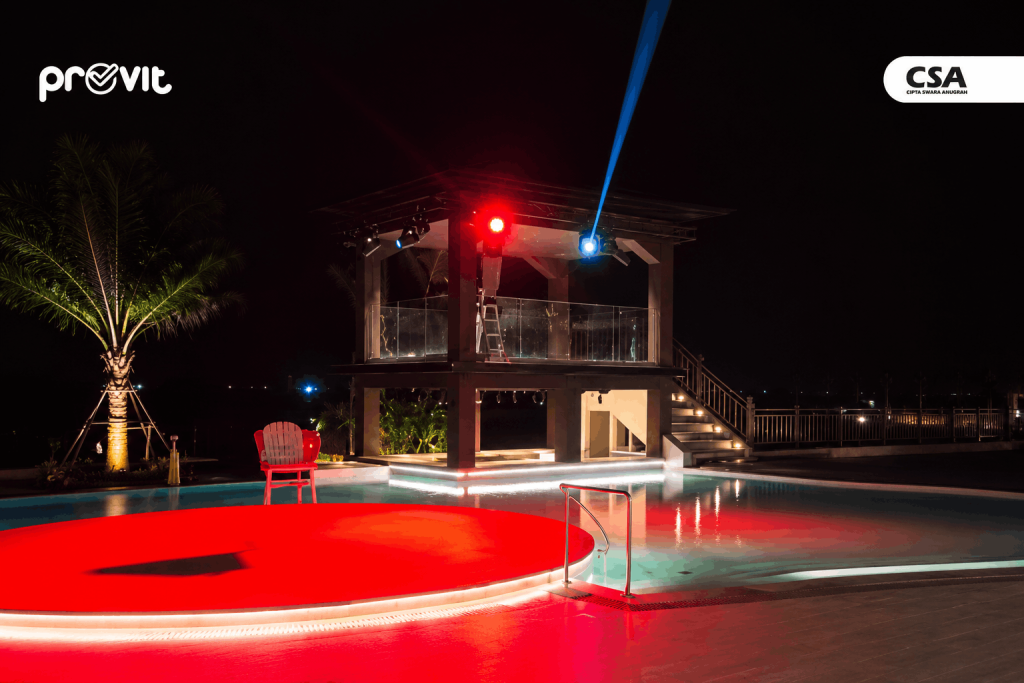
Applications of Smart Lighting in Different Spaces
This technology can be implemented across many types of buildings. However, the system design should always reflect the function of each area.
Offices
Office activities can change throughout the day. The lighting system can respond to working hours and user presence.
Meeting rooms can also use different lighting scenes for meetings, presentations, and video conferences.
Hotels
Hotels contain many areas with different requirements. Lobbies, guest rooms, restaurants, corridors, and ballrooms each require different lighting characteristics.
Automated controls can help operators manage lighting scenes according to time and activity.
Restaurants
Lighting is an important part of the dining experience. Restaurants can use brighter lighting during the day and softer illumination in the evening.
Operators can create multiple scenes and change the atmosphere without making complex manual adjustments.
Meeting and Conference Rooms
Meeting rooms require a high level of flexibility. A single room may be used for discussions, presentations, video conferences, and other events.
During a presentation, lighting around the display can be dimmed while keeping sufficient illumination for participants.
During a video conference, the system can adjust lighting to improve the visibility of participants on camera.
Commercial Areas
Retail and commercial spaces can use lighting to create an atmosphere while highlighting specific areas or products.
Operators can also create dedicated scenes for operating hours, special events, or promotional activities.
Examples of Smart Lighting Automation Scenes
One of the key advantages of this technology is the ability to create predefined lighting scenes.
Meeting Mode
The main lighting provides comfortable illumination for discussions and document reading. Work areas receive an appropriate level of brightness.
Presentation Mode
Lighting around the display is dimmed to improve screen visibility. Participants still receive sufficient illumination for note-taking.
Video Conference Mode
Lighting around participants is adjusted to create better visual conditions for cameras. Areas that may cause glare can also be reduced.
Cleaning Mode
Lighting operates at a higher intensity to help cleaning staff inspect the room more clearly.
After-Hours Mode
Lighting in unused areas can be switched off. Selected areas can remain illuminated for security and operational purposes.
These scenarios demonstrate that modern lighting technology does more than turn lights on and off automatically. It allows the lighting environment to follow the needs of each activity in a structured way.
What Should You Consider Before Implementation?
A successful automated lighting project starts with proper planning. Device selection should follow the requirements of the space rather than focusing only on product specifications.
First, identify the function of each area. Understand the main activities that take place in each room.
Second, define the lighting zones. Different areas may require different lighting levels and control parameters.
Third, select the appropriate sensors. A frequently occupied meeting room may require a different approach from a corridor or storage area.
Fourth, consider device compatibility. Fixtures, sensors, controllers, and user interfaces must work together within the selected system.
Fifth, consider future expansion. A flexible system can be easier to integrate with additional technologies as building requirements evolve.
Finally, consider the user experience. A system that is too complicated can reduce the benefits of automation. The interface should remain intuitive for everyday users.
Why Is an Integrator Important?
The more complex a building becomes, the more important the role of a system integrator becomes. An integrator does more than install equipment. They design how different components work together as a complete solution.
The process typically begins by understanding the client’s requirements. The team then evaluates the function of each space, user activities, and control requirements.
The next stage involves system design and equipment selection. The integrator determines the appropriate sensors, controllers, interfaces, and supporting devices.
Once installation is complete, the system requires configuration and testing. Each lighting scene must be tested to ensure that it performs according to the project’s requirements.
An integrator can also connect lighting with other systems. Audiovisual equipment, automated curtains, sensors, and room control systems can operate as part of the same ecosystem.
For example, users in a meeting room can select Presentation Mode from a touch panel. The system can then adjust the lighting and supporting AV equipment simultaneously.
This approach creates a simpler user experience. Users do not need to operate multiple systems separately.
CSA Indonesia as a Smart Lighting Integration Partner
Implementing modern lighting technology requires more than selecting advanced equipment. The system must be properly planned and integrated to deliver consistent results.
CSA Indonesia provides technology integration solutions designed around the requirements of each project. Its approach considers the function, characteristics, and operational needs of the space.
CSA Indonesia can integrate lighting with a range of supporting systems. Audiovisual equipment and room control technologies can become part of the same integrated ecosystem.
In a meeting room, for example, users can activate a specific scene to adjust lighting and AV equipment at the same time. This makes room operation more convenient and efficient.
Similar solutions can be developed for offices, restaurants, hotels, conference rooms, and other commercial facilities.
From understanding project requirements and designing the system to selecting equipment and configuring the final solution, each stage requires careful planning. A structured integration approach helps ensure that the technology delivers real value to users.
Ultimately, modern lighting is no longer simply about turning lights on and off. It can become an important part of a more comfortable, efficient, responsive, and manageable environment.
If you are planning an automated lighting solution for a new project or an existing facility, working with an experienced integrator can help you determine the right approach. Proper planning from the beginning also makes the system easier to expand as the building’s needs evolve.
Frequently Asked Questions About Smart Lighting Automation
1. What is Smart Lighting Automation?
Smart Lighting Automation is a lighting system that can be controlled automatically using sensors, schedules, control devices, or software. The system can adjust lighting according to room conditions and user activities.
2. What are the main benefits of Smart Lighting Automation?
The main benefits include improved energy efficiency, greater user comfort, easier facility management, and greater flexibility in creating different lighting environments. The system can also integrate with other building technologies.
3. Where can Smart Lighting Automation be implemented?
It can be implemented in offices, hotels, restaurants, meeting rooms, conference facilities, shopping centers, educational facilities, and various commercial buildings.
4. Can automated lighting be integrated with AV systems?
Yes. Lighting can be integrated with audiovisual equipment, touch panels, automated curtains, sensors, and room control systems.
5. Does CSA Indonesia provide Smart Lighting Automation solutions?
CSA Indonesia provides technology integration solutions that can include automated lighting systems based on project requirements. The system design and configuration can be tailored to the function of the space and the selected equipment.