
Lighting is more than simply making a room bright. In a business environment, lighting can influence comfort, atmosphere, operational efficiency, and the overall visitor experience. This is why understanding the Benefits of Smart Lighting Automation Systems for Businesses and Commercial Spaces has become increasingly important for companies looking to manage their facilities more efficiently and intelligently.
An automated lighting system allows businesses to control lighting based on the needs of each space. Settings can include brightness levels, operating schedules, lighting zones, and specific scenes for different activities.
This approach differs from conventional lighting systems. Users do not have to control every light manually. Instead, the system can execute predefined settings through centralized controls and automation.
The technology is also suitable for various commercial environments. Hotels, restaurants, offices, meeting rooms, retail spaces, ballrooms, and event venues can all implement lighting automation based on their operational requirements.
Benefits of Smart Lighting Automation Systems for Businesses and Commercial Spaces
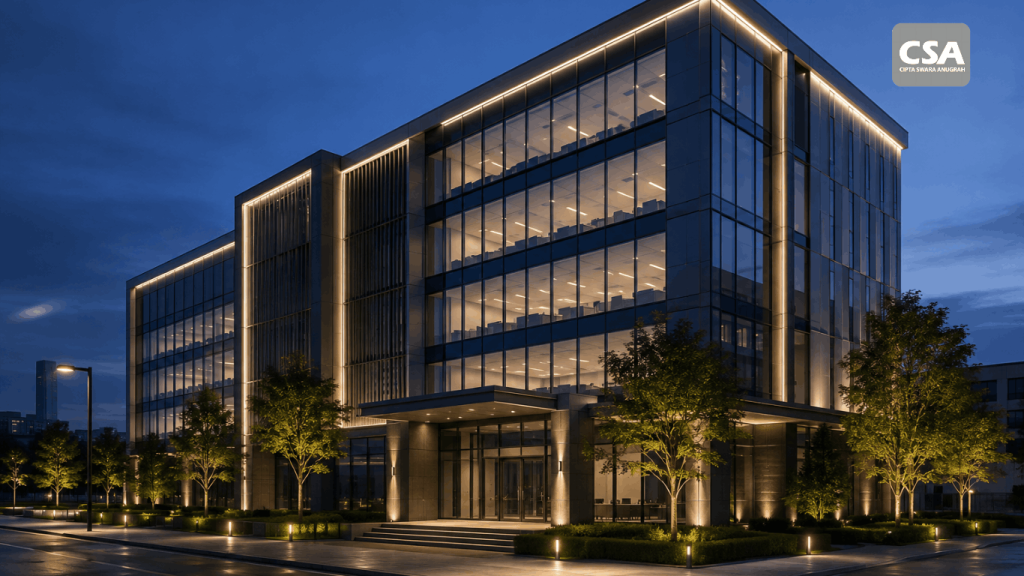
Read Also: Smart Lighting Automation: Definition, Benefits, Components, and Applications
Why Is Lighting Important for Commercial Spaces?
Lighting plays an important role in defining the character of a space. The right lighting level can make an environment more comfortable and support the activities taking place within it.
Restaurants, for example, require different lighting conditions throughout the day. Dining areas may need brighter lighting during lunch hours. In the evening, businesses may prefer warmer and softer lighting to create a more relaxed atmosphere.
Offices have different requirements. Workspaces need lighting that supports productivity. Presentation rooms may require lower lighting levels so that displays remain easy to see.
These differences can make lighting management increasingly complex. Automation helps simplify the process while giving businesses greater control over their environment.
1. Improve Energy Efficiency
One of the main advantages of automated lighting is more efficient energy management.
Lights can operate according to schedules, occupancy requirements, or specific zones. The system can also reduce lighting in areas that are not currently being used.
This approach helps businesses avoid unnecessary energy consumption. Operators can establish lighting schedules based on actual operating hours and activities.
For example, office lighting can follow working hours. After business operations end, selected areas can automatically reduce their lighting levels or switch off.
This type of efficiency becomes particularly valuable in buildings with multiple rooms and a large number of lighting points.
2. Reduce Unnecessary Lighting Usage
Manual lighting control can cause lights to remain on even when an area is no longer being used.
Automation helps address this issue by allowing businesses to establish schedules and conditions for turning lights on or off.
Corridors, meeting rooms, restrooms, storage areas, and other supporting spaces can have different lighting rules.
This approach allows businesses to use lighting according to actual requirements. It also reduces the need for employees or facility teams to operate individual switches manually.
3. Create More Flexible Room Ambience
Lighting can change the atmosphere of a space without requiring major interior modifications.
Restaurants can create different lighting scenes for breakfast, lunch, dinner, and special events. Hotels can adjust lighting according to the function of each area.
Event venues can also create specific scenes for seminars, conferences, performances, and corporate events.
Operators can activate a predefined scene instead of adjusting individual lights one by one. The system then applies the selected lighting settings automatically.
This flexibility helps businesses create a more consistent experience across different activities.
4. Simplify Lighting Control
Commercial buildings can have dozens or even hundreds of lighting points. Controlling every light manually can require considerable time and effort.
A centralized automation system allows operators to manage lighting from a single control point. The interface can be configured according to the needs of the facility.
Users can adjust specific areas without having to physically access every switch. This becomes especially useful in buildings with multiple rooms and zones.
Centralized control also makes daily operations more consistent. Facility teams can manage lighting based on established standards and schedules.
5. Support Different Lighting Scenes
One of the key advantages of automation is the ability to create lighting scenes for different activities.
A meeting room, for example, may have presentation, video conference, discussion, and cleaning modes.
Restaurants can create lunch, dinner, event, and closing scenes. Hotels can establish different settings for lobbies, ballrooms, restaurants, and public areas.
Each scene can define the appropriate lighting level for a particular activity. Users do not need to adjust individual fixtures every time the function of the room changes.
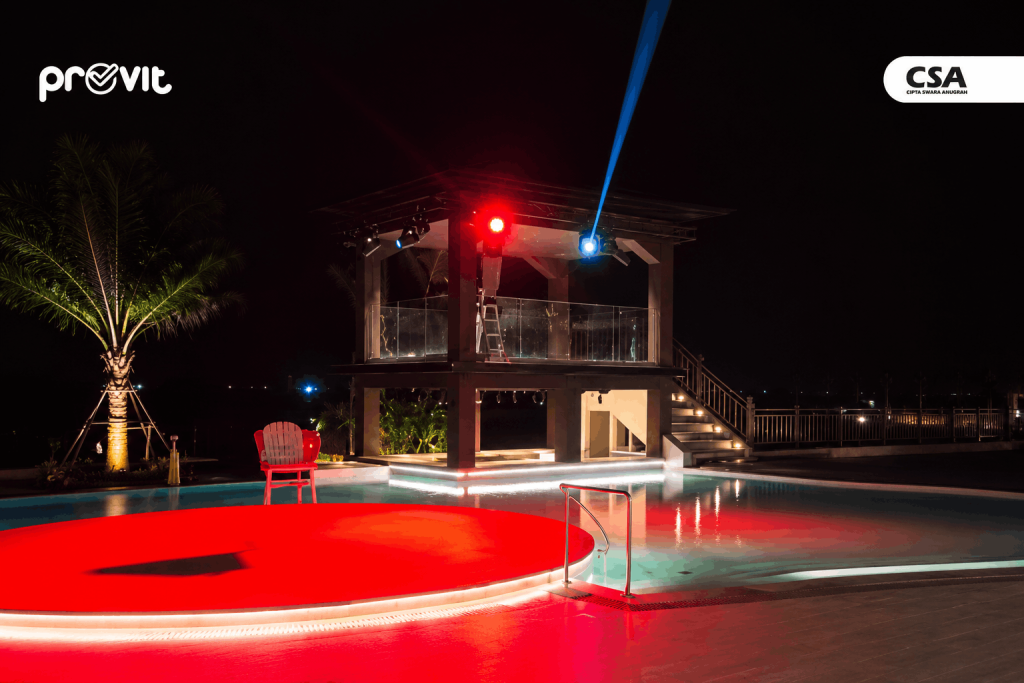
6. Improve Visitor Comfort
Proper lighting can contribute significantly to the visitor experience. Lighting that is too bright or too dim can make a space feel uncomfortable.
In restaurants, lighting can complement the interior design and overall dining atmosphere. In hotels, it can help create a welcoming and sophisticated environment in lobbies and lounges.
Retail spaces can also use lighting to support product displays. Different areas can have different lighting levels based on their purpose.
Automation helps maintain these settings consistently. Operators can establish lighting standards for each zone and adjust them when necessary.
7. Support Hotel and Restaurant Operations
Hotels and restaurants often contain multiple areas with different lighting requirements. Conventional lighting systems can make managing these areas more complicated.
Hotels can divide their lighting system into zones such as lobbies, corridors, ballrooms, restaurants, lounges, and other public areas. Each zone can have its own schedule and lighting scene.
Restaurants can also manage dining areas, bars, private rooms, outdoor spaces, and operational areas separately.
With an integrated system, operators can adjust lighting according to specific activities. Settings can also change automatically according to predefined schedules.
8. Improve Meeting Room Management
Meeting rooms require lighting that can adapt to different activities. A presentation requires different lighting conditions from a video conference.
During a presentation, lighting around the display can be reduced while keeping enough illumination around the participants.
For video conferencing, lighting can be adjusted to improve facial visibility and create a more suitable environment for cameras.
After the meeting ends, the room can automatically return to its standard lighting scene.
This integration makes the room easier to operate. Users do not need to manually adjust multiple devices before every meeting.
9. Support Retail and Commercial Spaces
Retail environments need lighting that enhances product presentation while maintaining a comfortable shopping experience.
Automation allows operators to manage lighting by zone. Display areas, checkout counters, walkways, and promotional areas can have different lighting settings.
Operators can also adjust lighting according to business hours. This helps maintain a consistent experience throughout the day.
For larger commercial spaces, centralized control provides even greater benefits. Facility teams can manage multiple areas through a unified system.
10. Support AV System Integration
Modern lighting systems do not have to operate independently. They can become part of a broader building automation and audiovisual ecosystem.
Audio, video, lighting, displays, curtains, HVAC, and control systems can be integrated according to project requirements.
Meeting rooms are a clear example. A single meeting scene can control displays, audio, and lighting at the same time.
Event spaces can also use predefined scenes that adjust lighting and audiovisual equipment according to the type of event.
This approach simplifies room operation and creates a more consistent user experience.
11. Improve Operational Convenience
An integrated automation system can reduce manual tasks for facility teams. Settings can be programmed according to schedules, zones, or specific scenes.
Operators do not need to remember the location of every switch or manually control each lighting point.
This becomes particularly useful in buildings with multiple areas. Facility teams can manage the entire lighting environment in a more structured way.
When the system includes a suitable control interface, users can also monitor and adjust lighting conditions more easily.
12. Prepare Commercial Spaces for Future Needs
Business requirements can change over time. A room may be renovated, expanded, or assigned a new function.
A well-designed automation system provides flexibility for future development. Businesses can add zones, devices, or new integrations when necessary.
Planning for future requirements from the beginning can also reduce the need for major system modifications later.
An experienced integrator can consider potential expansion during the initial design process. This helps businesses build a system that remains useful as their needs evolve.
Smart Lighting Is More Than Automated On and Off Control
It is important to understand that automation is not simply about turning lights on and off through a control panel.
A professionally designed system can manage different lighting parameters based on time, activity, zone, or predefined scenes.
The real value lies in how the technology supports building operations. The system should improve comfort while making facility management easier.
For this reason, system design plays an important role. Each requirement needs to be translated into a configuration that matches the actual characteristics of the space.
Why Should Businesses Consider Smart Lighting Automation?
The benefits of automation go beyond convenient lighting control. The technology can help businesses optimize energy usage, create better ambience, improve comfort, and simplify daily operations.
However, every space has different requirements. A restaurant needs a different approach from an office. A meeting room has different requirements from a ballroom or retail environment.
The system should therefore be designed around the actual needs and conditions of the building. Equipment selection should also consider integration with other technologies already in use.
CSA Indonesia can help businesses design audiovisual and automation solutions based on the characteristics of their spaces. The planning process can consider user requirements, room functions, operational needs, and potential integration with other systems.
As an AV integrator, CSA Indonesia can help ensure that lighting does not operate as an isolated solution. Instead, it can become part of a more connected and intelligent commercial environment.
Conclusion
Lighting plays an important role in commercial operations. The right system can help create the desired atmosphere, improve comfort, and make facility management more efficient.
The Benefits of Smart Lighting Automation Systems for Businesses and Commercial Spaces include flexible control, energy efficiency, multi-zone management, and integration with audiovisual and control systems.
Hotels, restaurants, offices, meeting rooms, retail spaces, ballrooms, and event venues can all implement solutions based on their specific requirements. The key is to develop a system around the actual needs of the space.
With support from a professional integrator, businesses can create a lighting solution that is not only easy to control but also capable of supporting user experience and long-term operational requirements.
FAQ
1. What are the main benefits of smart lighting automation for businesses?
The main benefits include improved energy efficiency, centralized control, flexible lighting scenes, greater comfort, and integration with other building systems.
2. Is smart lighting automation only suitable for large commercial buildings?
No. The system can be designed for spaces of different sizes. Restaurants, offices, meeting rooms, retail stores, hotels, and event venues can all use solutions based on their specific requirements.
3. Can smart lighting automation help reduce energy consumption?
Yes. The system can manage lighting based on schedules, zones, occupancy, or specific room requirements. This helps reduce unnecessary lighting usage.
4. What is a lighting scene?
A lighting scene is a predefined lighting configuration designed for a specific activity. Examples include presentation, meeting, event, dinner, and cleaning modes.
5. Can smart lighting be integrated with audiovisual systems?
Yes. Lighting can be integrated with audio, video, displays, curtains, HVAC, and centralized control systems depending on the project requirements.
6. Do restaurants benefit from smart lighting automation?
Yes. Restaurants with multiple areas can benefit from flexible lighting control. Operators can adjust ambience according to different zones, operating hours, and activities.
7. Why should businesses work with an AV integrator for a smart lighting project?
An AV integrator can design the system based on the space, operational requirements, and integration needs. This becomes especially important when lighting forms part of a larger automation ecosystem.
8. Can the system be expanded in the future?
Yes. A properly designed system can allow businesses to add new zones, devices, or integrations as their operational requirements evolve.