
A Professional Meeting Hall Sound System plays a critical role in corporate conferences, seminars, town hall meetings, and large-scale presentations. Clear audio helps audiences follow speakers, understand important information, and participate in discussions without unnecessary distractions.
However, achieving reliable sound quality requires more than installing microphones and loudspeakers. Every meeting hall has different dimensions, acoustic characteristics, seating arrangements, and operational requirements. The audio system must accommodate these conditions while remaining practical for everyday use.
CSA Indonesia provides audio and audiovisual integration solutions for corporate facilities, commercial spaces, and event venues. Through careful planning, businesses can connect audio equipment with presentation displays, video conferencing systems, and room control technology.
The goal is to create a coordinated system that supports different event formats while maintaining consistent audio performance.
Why Does a Meeting Hall Need a Professionally Designed Sound System?
Meeting halls often serve multiple purposes. A corporate auditorium may host executive presentations, employee briefings, training sessions, seminars, and panel discussions throughout the month.
Each activity places different demands on the audio system. A presentation with one speaker requires a different microphone arrangement from a panel discussion involving several presenters. Hybrid events introduce additional requirements because the system must support both in-person and remote participants.
Delivering clear sound throughout the room
Every audience member should be able to hear the speaker clearly, regardless of seating position. Increasing volume alone does not guarantee good speech intelligibility.
Speaker placement, coverage patterns, room reflections, and listening distances all influence the result. A well-planned design distributes sound appropriately across the audience area without making the front rows uncomfortably loud.
Supporting different event formats
A flexible system allows operators to switch between presentations, panel discussions, video playback, and audience questions.
Depending on the venue, the configuration may include podium microphones, wireless handheld microphones, headset microphones, and connections for external audio sources.
Preconfigured operating modes can simplify these transitions. Operators can select the appropriate setup instead of manually adjusting multiple devices before every session.
Reducing technical disruptions
Feedback, excessive reverberation, uneven volume, and background noise can interrupt important presentations. These problems may arise from poor equipment placement, unsuitable settings, or inadequate acoustic planning.
A coordinated design helps address these risks before installation. Testing and calibration then allow the technical team to identify issues under realistic operating conditions.
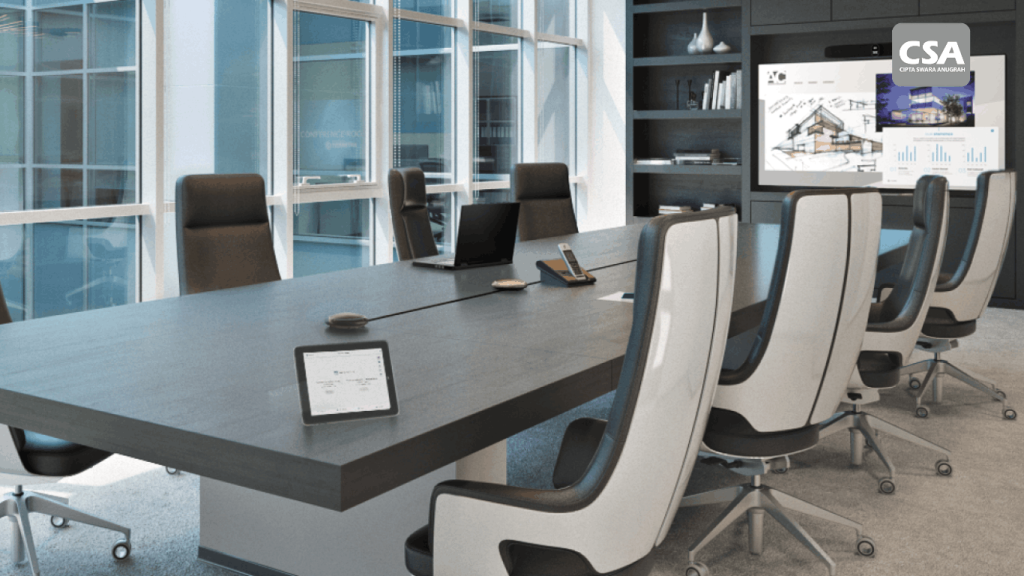
Read Also: Meeting Room Solution: The Key to Creating an Efficient and Professional Modern Meeting Space
Essential Components of a Meeting Hall Audio System
A professional audio installation combines several components that perform different functions. Each component must match the room’s requirements and work correctly with the rest of the system.
1. Microphones for speakers and audiences
Microphones capture speech and provide the starting point for the audio signal chain. The appropriate type depends on the event format and how presenters move around the room.
Podium microphones suit formal speeches and executive presentations. Wireless handheld microphones give moderators and audience members greater mobility. Headset and lavalier microphones can support presenters who need to move freely during a session.
Panel discussions may require multiple microphones with coordinated controls. Wireless configurations also need careful frequency planning to reduce the risk of interference.
2. Loudspeakers with appropriate coverage
Loudspeakers deliver sound to the audience. Their selection should consider room dimensions, ceiling height, seating layout, listening distance, and required coverage.
Wall-mounted speakers may suit certain configurations, while larger halls may require distributed loudspeakers or other professional arrangements. The final design depends on the room’s physical conditions and acoustic requirements.
Speaker placement also affects microphone performance. Poor positioning can increase the likelihood of feedback and create uneven sound levels.
3. Audio mixers and digital signal processors
An audio mixer manages multiple input sources, including microphones, multimedia playback, and conferencing equipment. It allows operators to balance levels and manage the audio sources required for each event.
A digital signal processor (DSP) provides additional processing functions. Depending on the equipment, it may support equalization, filtering, delay, level control, and other audio adjustments.
In larger installations, DSP configuration can help coordinate multiple audio zones and improve system consistency. Proper configuration is particularly important when several microphones and audio sources operate simultaneously.
4. Amplifiers and signal distribution
Amplifiers provide power to passive loudspeakers. Their specifications must match the loudspeakers and the overall system design.
Active loudspeakers contain their own amplification, so the required equipment will differ according to the selected configuration.
Some installations also require signal distribution devices, audio interfaces, or connections to conferencing systems. Planning these elements together helps prevent compatibility issues during commissioning.
5. Integrated control systems
A meeting hall may include audio equipment, displays, cameras, lighting, and presentation systems. Operating every device independently can make event preparation unnecessarily complicated.
An integrated control system can simplify routine operations through a centralized interface. Where supported, operators may select a preset for presentations, panel discussions, or video conferencing.
This approach reduces the number of manual steps and makes the room easier for staff to operate. It also helps standardize procedures across recurring events.
Businesses looking to connect multiple technologies can learn more about audio visual system integration and the role of an AV integration partner.
Acoustic Challenges in Meeting Halls
Equipment selection is only one part of sound system planning. The physical environment also determines how sound travels and how clearly audiences perceive speech.
Reverberation and sound reflections
Hard walls, glass surfaces, tiled floors, and high ceilings can reflect sound. Excessive reflections may make speech less intelligible, especially in large rooms with long reverberation times.
The appropriate solution depends on the room. Acoustic treatment may help control reflections, while adjustments to speaker placement and direction can improve coverage.
Simply adding more loudspeakers may not solve the problem. An acoustic assessment helps determine whether the primary issue comes from room reflections, equipment placement, or system configuration.
Microphone feedback
Feedback occurs when sound from a loudspeaker re-enters a microphone and gets amplified repeatedly. It often produces a high-pitched squeal or ringing noise.
Proper gain structure, microphone selection, and speaker placement can reduce the risk. DSP-based feedback suppression may also help, but it should complement sound system design rather than replace it.
Uneven sound distribution
Some seats may receive excessive volume while others receive insufficient sound. This often happens when loudspeaker placement does not account for the hall’s dimensions and audience layout.
Testing should cover several listening positions, including the front, sides, and rear of the room. The objective is to achieve comfortable, consistent coverage across the intended audience area.
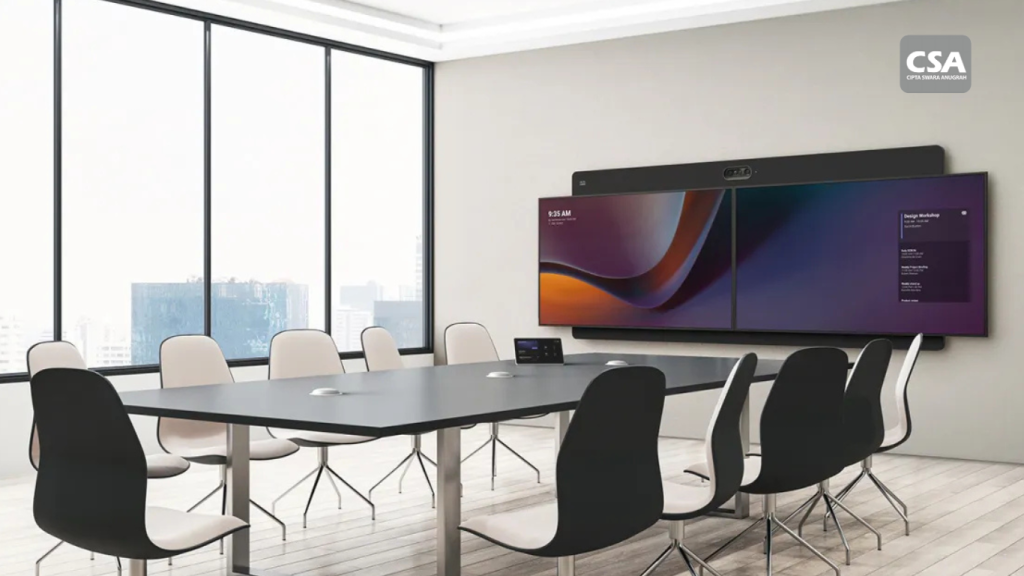
How to Choose the Right Sound System for a Meeting Hall
Before selecting equipment, businesses should identify how the space will be used. This prevents unnecessary purchases and helps ensure the system supports real operational requirements.
Assess room dimensions and seating arrangements
Room capacity is an important starting point, but it does not determine the entire system design.
The planning process should also consider room length, width, ceiling height, stage position, and seating configuration. A long, narrow hall may require a different loudspeaker arrangement from a wide auditorium.
If the seating layout changes regularly, the system should accommodate multiple event configurations without requiring extensive reinstallation.
Identify the main event requirements
List the activities that take place most frequently in the venue. These may include executive presentations, employee town halls, seminars, training sessions, panel discussions, or hybrid conferences.
A presentation-focused room may prioritize speech clarity and simple operation. A panel discussion requires flexible microphone management. Hybrid events require additional connections between the room’s audio system and conferencing equipment.
Defining these requirements helps determine which features are essential and which are optional.
Check equipment compatibility
Devices from different manufacturers do not always integrate seamlessly. Connection types, signal formats, power requirements, and control protocols must be evaluated before installation.
A system integrator can review these dependencies during the design stage. Businesses should also consider maintenance requirements, replacement parts, and the availability of technical support.
For broader guidance, CSA Indonesia’s article on choosing the right sound system for business needs explains why equipment selection should reflect the function and characteristics of each space.
Prioritize ease of operation
A technically advanced system may still create problems if employees find it difficult to use. Event operators should not need specialist audio knowledge to perform routine tasks.
A clear control interface and predefined operating modes can make daily use more straightforward. Training should cover system startup, source selection, volume adjustment, and basic troubleshooting.
These measures help reduce dependence on technical staff for routine events.
Integrating Audio with Video Conferencing and Presentation Systems
Many corporate meeting halls support both in-person and remote communication. The audio system must therefore work with conferencing equipment, displays, cameras, and presentation sources.
Remote participants need to hear the people in the room clearly. At the same time, attendees in the hall must hear remote speakers without excessive echo or feedback.
Depending on the design, the system may include microphones, DSP equipment, loudspeakers, conferencing interfaces, and room cameras. The signal flow must be planned carefully to prevent audio from being routed incorrectly or reproduced repeatedly.
Businesses can explore video conferencing and sound system integration to understand how connected technologies support more effective hybrid communication.
Managing presentation audio
Presentations frequently combine live speech with video clips, recorded material, and remote speakers. The system should allow operators to switch between these sources smoothly.
For example, an operator may need to play a video, mute or lower the presenter’s microphone temporarily, and then return to live speech. A properly configured system makes these transitions more predictable.
Integration planning should also consider future changes, such as adding conferencing equipment or upgrading presentation displays.
Supporting multiple audio zones
Some venues contain a main hall and adjacent areas that require different audio settings. A control system with appropriate zone management can help operators adjust sound levels and sources independently.
The need for separate zones should be established during planning. This avoids unnecessary complexity and ensures that the system reflects the venue’s actual operating requirements.
CSA Indonesia’s Approach to Audio System Integration
Choosing suitable equipment is only one stage of a successful installation. Businesses must also ensure that the devices work together and meet the requirements of the room.
CSA Indonesia provides solutions across audio, visual, lighting, and automation. Its service approach includes understanding project requirements, planning system configurations, integrating equipment, and supporting the resulting installation.
Consultation and requirements analysis
The process begins by identifying the hall’s intended functions, audience capacity, event formats, and existing equipment.
The team can then assess the technical requirements and determine which elements need to be installed, upgraded, or integrated. This helps keep recommendations focused on the actual needs of the facility.
System design and planning
The design stage considers equipment selection, loudspeaker locations, cable routes, connectivity, and control requirements.
Planning these elements together can reduce installation conflicts and improve operational consistency. It also provides a basis for evaluating the project’s equipment and installation costs.
Learn more about CSA Indonesia’s professional audio solutions and its approach to designing sound systems for different environments.
Installation, configuration, and testing
Once the design is approved, the equipment can be installed and configured according to the project requirements.
Testing should cover microphones, loudspeaker coverage, audio levels, signal routing, and potential feedback. If the system connects to video conferencing or presentation equipment, those functions should be tested as well.
Where possible, the commissioning process should simulate typical event scenarios. This helps reveal operational issues before the hall enters regular use.
User training and maintenance
After installation, operators should receive guidance on routine system functions. Clear operating procedures help employees prepare the room consistently and respond to basic problems.
Regular maintenance can include checking connections, microphones, loudspeakers, configuration settings, and other system components. A planned maintenance process helps identify potential issues before they interrupt an important event.
Common Mistakes to Avoid When Planning a Meeting Hall Sound System
Several planning mistakes can reduce system performance, even when the equipment has suitable specifications.
Choosing equipment based on price alone. Budget matters, but businesses should also consider compatibility, installation requirements, maintenance costs, and expected usage.
Assuming louder sound means better audio. Excessive volume can reduce comfort without improving speech intelligibility. Coverage, room acoustics, and correct configuration matter just as much.
Ignoring the needs of operators. A complicated interface can slow down event preparation. Involving facility managers and event staff during planning helps create a system that supports everyday workflows.
Overlooking future expansion. Businesses may later need additional microphones, conferencing capabilities, or control functions. Planning for reasonable expansion can reduce the need for major redesigns.
Skipping comprehensive testing. A quick power-on test is not enough. The team should verify performance across listening positions and test the operating modes the venue will use.
Businesses should also evaluate their integration partner carefully. CSA Indonesia’s guide to choosing an AV system integrator provides additional considerations for this decision.
Conclusion
A professional meeting hall sound system must do more than amplify speech. It should deliver clear audio across the audience area, accommodate different event formats, and remain practical for everyday operation.
Achieving these results requires appropriate equipment selection, acoustic planning, careful integration, and thorough testing. A coordinated approach also helps connect audio with conferencing, presentation, and room control technologies.
For businesses planning a new meeting hall or upgrading an existing facility, CSA Indonesia can be a partner in evaluating requirements and developing an integrated audio solution. The right design begins with understanding the room, its users, and the events it needs to support.
To discuss your facility’s requirements, visit the CSA Indonesia contact page.
FAQ
What is a professional meeting hall sound system?
It is an audio system designed to deliver clear, consistent sound for conferences, seminars, corporate presentations, and other events held in large meeting spaces.
What equipment does a meeting hall sound system require?
Typical components include microphones, loudspeakers, mixers, DSP processors, and amplifiers where needed. The final configuration depends on the room and its intended use.
How can a meeting hall reduce echo?
An acoustic assessment can identify excessive reflections. Depending on the findings, solutions may include acoustic treatment, improved loudspeaker placement, and system adjustments.
Why should a meeting hall integrate audio with video conferencing?
Integration allows in-room and remote participants to hear each other clearly. It also helps coordinate microphones, loudspeakers, and conferencing equipment.
Why work with an audio visual system integrator?
An integrator helps plan equipment, connections, and control functions so the complete system meets the venue’s technical and operational requirements.
What information should businesses prepare before consulting CSA Indonesia?
Prepare the room dimensions, audience capacity, event formats, existing equipment, and any recurring audio problems. These details help establish the initial system requirements.