
Many companies have invested heavily in modern Audio Visual systems to support meetings, presentations, training sessions, and hybrid collaboration. However, one critical aspect is often overlooked after the installation is complete: regular maintenance. Understanding Why Is Audio Visual Maintenance Important for Companies? Here Are the Benefits You Need to Know can help businesses protect their technology investment while ensuring that every meeting and communication activity runs smoothly.
Audio Visual Maintenance is not simply about repairing equipment after it breaks down. Instead, it is a proactive process that involves routine inspections, performance testing, cleaning, software updates, and preventive maintenance to keep every component operating at its best.
Without regular maintenance, even high-quality Audio Visual equipment can gradually experience performance degradation. Audio quality may decline, display performance can deteriorate, cameras may lose image clarity, and system reliability may decrease over time. These issues can interrupt business operations and reduce employee productivity.
For this reason, many organizations now consider Audio Visual Maintenance an essential part of their long-term technology strategy rather than an optional service.
What Is Audio Visual Maintenance?
Audio Visual Maintenance refers to a series of scheduled activities designed to ensure that every Audio Visual device continues to perform reliably throughout its operational life.
Rather than waiting for equipment failures, professional maintenance focuses on identifying potential issues before they develop into serious problems.
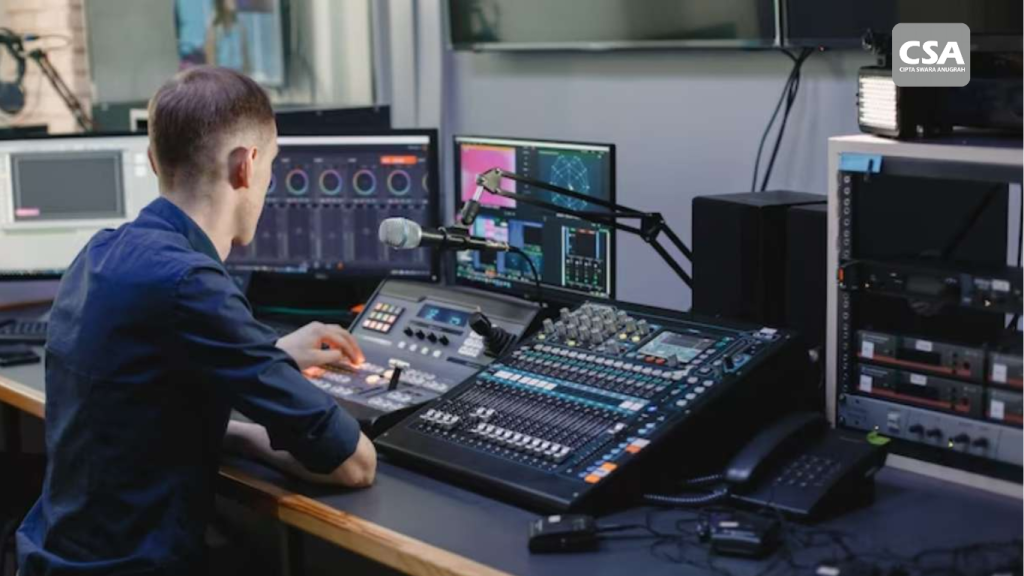
A comprehensive maintenance program may include:
Read Also: Audio Visual Installation for Companies: Process, Benefits, and What You Need to Prepare
- Equipment inspection.
- Performance testing.
- Cleaning Audio Visual devices.
- Firmware and software updates.
- Audio calibration.
- Video quality optimization.
- Cable inspection.
- Network verification.
- Preventive maintenance procedures.
These activities help maintain system stability while reducing the likelihood of unexpected technical failures.
Whether the system is installed in a meeting room, boardroom, training center, auditorium, or command center, regular maintenance ensures that the technology remains ready whenever it is needed.
Why Should Companies Never Ignore Audio Visual Maintenance?
Many businesses assume that once an Audio Visual system has been installed successfully, it will continue operating without any additional attention.
In reality, every technology system experiences gradual wear over time.
Daily usage, environmental conditions, dust accumulation, network changes, software updates, and hardware aging all affect system performance.
Ignoring maintenance can eventually lead to issues such as:
- Poor audio quality.
- Display brightness degradation.
- Camera malfunction.
- Microphone sensitivity problems.
- Loose cable connections.
- Software incompatibility.
- Unstable control systems.
- Unexpected equipment downtime.
Routine maintenance significantly reduces these risks while ensuring that the system consistently delivers reliable performance.
Benefits of Audio Visual Maintenance for Companies
Regular maintenance offers far more than simply preventing equipment failures.
It supports business continuity while protecting the company’s investment in technology.
1. Keeps the Entire System Performing at Its Best
One of the greatest advantages of routine maintenance is maintaining consistent system performance.
Every Audio Visual component is inspected and optimized to ensure it operates according to the manufacturer’s recommendations.
Displays maintain image quality.
Speakers deliver clear sound.
Microphones capture voices accurately.
Conference cameras continue producing sharp video.
Control systems remain responsive.
As a result, employees experience fewer technical disruptions during meetings and presentations.
2. Reduces the Risk of Operational Downtime
Unexpected technical failures can interrupt important meetings and negatively impact business operations.
A malfunctioning conference room often leads to delays, reduced productivity, and unnecessary troubleshooting efforts.
Preventive maintenance identifies potential problems before they become major failures.
Technicians can replace worn components, update software, or adjust system settings before they affect daily operations.
This proactive approach minimizes downtime while improving system reliability.
3. Extends Equipment Lifespan
Audio Visual equipment represents a significant investment for most organizations.
Regular maintenance helps protect that investment by extending the operational lifespan of every device.
Cleaning internal components, inspecting cables, updating firmware, and maintaining proper system performance reduce unnecessary wear and prevent premature equipment replacement.
As a result, companies maximize the value of their technology investment while postponing costly hardware upgrades.
4. Maintains Consistent Audio and Visual Quality
Meeting participants expect clear sound, sharp images, and reliable communication during every presentation.
Without routine maintenance, Audio Visual quality may gradually decline without users immediately noticing the changes.
Speakers may begin producing distorted sound.
Microphones may lose sensitivity.
Displays may suffer from reduced brightness or inaccurate colors.
Conference cameras may no longer deliver optimal image quality.
Routine maintenance ensures that every component continues operating at its highest possible standard, creating a professional communication experience for employees, clients, and business partners.
Read Also: Why Is Audio Visual Design an Essential Step Before Installation?
5. Reduces Long-Term Repair Costs
Many companies assume that routine maintenance increases operational expenses. In reality, preventive maintenance helps reduce repair costs over time.
Minor issues such as loose cable connections, outdated firmware, or declining microphone performance can be identified and resolved before they develop into major system failures.
Without regular inspections, these small problems may eventually require expensive repairs or even complete equipment replacement.
Preventive maintenance allows businesses to manage maintenance costs more effectively while protecting their overall technology investment.
6. Supports Productive Meetings and Business Collaboration
Modern workplaces depend heavily on reliable communication technology.
Board meetings, client presentations, hybrid conferences, employee training sessions, and internal discussions all require Audio Visual systems that perform consistently.
Technical issues during important meetings can interrupt discussions, delay decision-making, and create an unprofessional impression.
Routine Audio Visual Maintenance helps ensure that every meeting room remains fully operational whenever it is needed.
Reliable technology enables employees to focus on collaboration instead of troubleshooting equipment.
7. Ensures the System Is Always Ready for Daily Operations
An Audio Visual system should be available whenever business activities require it.
Regular maintenance ensures that every component remains ready for immediate use.
Technicians routinely verify:
- Display functionality.
- Camera performance.
- Microphone operation.
- Speaker output.
- Wireless presentation systems.
- Video conferencing platforms.
- Control systems.
- Network connectivity.
These inspections reduce the likelihood of unexpected failures while increasing user confidence in the system.
What Happens If Audio Visual Maintenance Is Ignored?
Neglecting maintenance can gradually reduce the performance and reliability of an Audio Visual system.
Although problems may appear minor at first, they often become more serious over time.
Some of the most common consequences include:
- Declining audio quality.
- Poor display performance.
- Camera image degradation.
- Unstable microphone performance.
- Control system errors.
- Network connectivity issues.
- Unexpected equipment failures.
- Increased repair costs.
- Shorter equipment lifespan.
In addition to affecting technology, these problems may disrupt business operations and reduce employee productivity.
When Should Companies Perform Audio Visual Maintenance?
There is no single maintenance schedule that applies to every organization.
The appropriate frequency depends on several factors, including:
- System complexity.
- Number of meeting rooms.
- Daily usage intensity.
- Environmental conditions.
- Critical business operations.
In general:
- High-usage meeting rooms benefit from monthly inspections.
- Corporate offices typically perform quarterly maintenance.
- Larger systems often undergo comprehensive maintenance every six months.
- Annual evaluations help assess long-term system performance and future upgrade requirements.
Working with experienced maintenance professionals allows companies to establish a schedule that fits their operational needs.
How to Choose the Right Audio Visual Maintenance Provider
Selecting the right maintenance partner is just as important as choosing the right equipment.
When evaluating a service provider, companies should consider whether they offer:
- Preventive maintenance programs.
- Routine system inspections.
- Performance testing.
- Firmware and software updates.
- Detailed maintenance documentation.
- Fast technical response.
- Experienced Audio Visual engineers.
- Long-term support services.
A reliable maintenance provider helps ensure consistent system performance while minimizing operational disruptions.
Protect Your Audio Visual Investment with CSA Indonesia
Maintaining an Audio Visual system requires more than occasional repairs.
It requires continuous monitoring, preventive maintenance, technical expertise, and systematic performance evaluations.
CSA Indonesia (Cipta Swara Anugrah) provides comprehensive Audio Visual Maintenance services designed to help businesses keep their systems operating at peak performance.
The company’s maintenance services include routine inspections, equipment testing, system optimization, preventive maintenance, troubleshooting, and technical support performed by experienced professionals.
By implementing scheduled maintenance programs, CSA Indonesia helps organizations reduce downtime, extend equipment lifespan, improve meeting experiences, and protect long-term technology investments.
Conclusion
Installing an Audio Visual system is only the beginning of a company’s technology journey.
Maintaining that system is equally important to ensure consistent performance, reliable communication, and uninterrupted business operations.
Regular Audio Visual Maintenance helps companies prevent unexpected failures, reduce repair costs, extend equipment lifespan, and maintain professional meeting environments.
Rather than waiting for equipment to fail, businesses should adopt a preventive maintenance strategy that protects both operational productivity and long-term technology investments.
Partnering with an experienced maintenance provider allows organizations to maximize the value of their Audio Visual systems while ensuring they remain ready to support future business growth.
Frequently Asked Questions (FAQ)
What is Audio Visual Maintenance?
Audio Visual Maintenance is a preventive service that includes inspections, testing, cleaning, software updates, calibration, and system optimization to keep Audio Visual equipment operating reliably.
Why is Audio Visual Maintenance important?
Routine maintenance prevents unexpected failures, maintains system performance, extends equipment lifespan, and supports uninterrupted business operations.
How often should Audio Visual systems be maintained?
Maintenance frequency depends on system usage and complexity. Many companies schedule monthly, quarterly, semi-annual, or annual maintenance programs.
What are the benefits of preventive Audio Visual Maintenance?
Preventive maintenance reduces repair costs, minimizes downtime, improves meeting quality, extends equipment lifespan, and ensures systems remain ready for daily use.
Can Audio Visual Maintenance reduce equipment replacement costs?
Yes. Early detection of technical issues helps prevent severe damage, allowing companies to extend the operational life of their Audio Visual equipment.
Why choose CSA Indonesia for Audio Visual Maintenance?
CSA Indonesia provides end-to-end Audio Visual Maintenance services, including preventive inspections, performance testing, troubleshooting, system optimization, and ongoing technical support, helping businesses maintain reliable and high-performing Audio Visual systems over the long term.