
Audio

Many businesses believe that investing in premium speakers is the fastest way to achieve outstanding audio quality. This assumption has led countless companies to prioritize expensive equipment while overlooking one of the most critical factors in professional audio performance. In reality, Why Sound System Design Matters More Than Choosing Expensive Speakers is a question every company should understand before investing in an Audio Visual system.

A professional sound system is not defined by the price tag of its speakers. Instead, its performance depends on how every component works together as part of a carefully engineered system. Speaker placement, room acoustics, audio coverage, signal processing, amplifier selection, and system calibration all contribute to the final listening experience.

This is why experienced AV System Integrators always begin with system design rather than product selection. Their goal is not simply to install premium equipment but to create an audio environment that delivers clear, balanced, and consistent sound throughout the space.

Many People Still Believe Expensive Speakers Guarantee Better Sound

When planning an Audio Visual project, many organizations immediately focus on equipment brands.

They compare speaker specifications, amplifier power, frequency response, and product pricing, believing that higher-priced equipment will automatically produce better results.

While premium speakers certainly offer excellent performance, they represent only one part of a much larger system.

Imagine placing a luxury sports car on a damaged road. Regardless of how advanced the vehicle is, its performance will never reach its full potential because the environment limits its capabilities.

The same principle applies to professional sound systems.

Even the most expensive speakers cannot compensate for poor system planning, incorrect installation, or inadequate room conditions.

This is why successful Audio Visual projects begin with engineering rather than equipment shopping.

Why Sound System Design Matters More Than Choosing Expensive Speakers
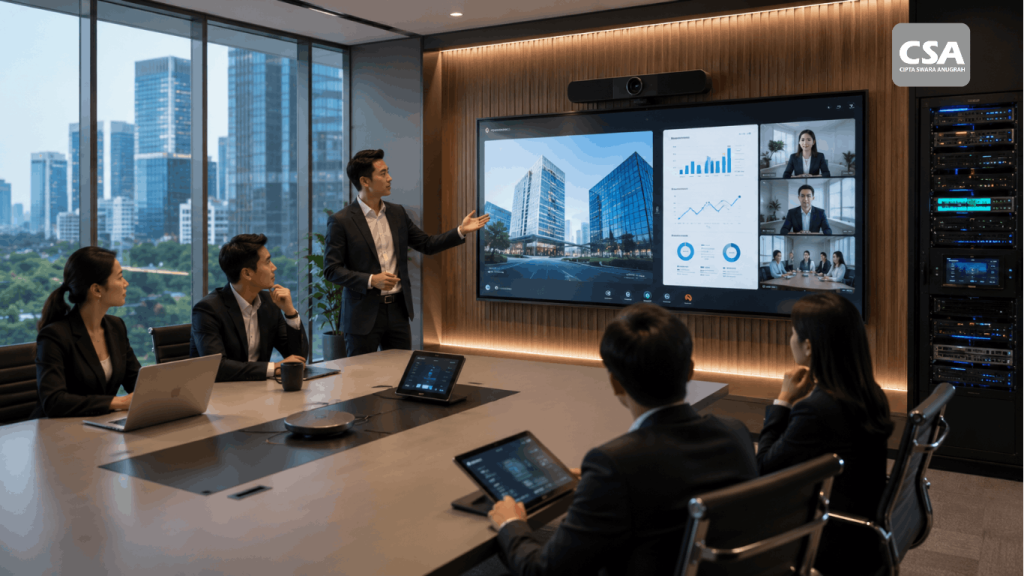
Why Large Companies Choose AV System Integrators Instead of Purchasing Equipment Independently (1)

Read Also: Why Large Companies Choose AV System Integrators Instead of Purchasing Equipment Independently

Sound System Design Creates the Foundation for Audio Performance

Professional sound system design involves far more than deciding where speakers should be mounted.

It begins with understanding how the space will actually be used.

Several important questions must be answered before selecting any equipment:

  • What is the primary purpose of the room?
  • How many people will occupy the space?
  • Will the room be used for presentations, meetings, live performances, or background music?
  • What level of speech intelligibility is required?
  • How should sound be distributed throughout the room?
  • Are future expansions expected?

These considerations determine the overall system architecture.

Instead of selecting speakers first, experienced designers identify the performance objectives and then build the system around those requirements.

This approach ensures every component contributes to a unified and reliable Audio Visual experience.

Expensive Speakers Cannot Compensate for Poor System Design

One of the biggest misconceptions in the Audio Visual industry is that upgrading speaker quality automatically improves system performance.

In reality, poor design can significantly reduce the effectiveness of even the world’s best loudspeakers.

Several common design mistakes illustrate this problem.

Speakers may be installed too close together, causing excessive sound overlap.

They may be positioned too far apart, creating dead zones where speech becomes difficult to understand.

Incorrect mounting angles can direct sound toward walls instead of listeners.

Improper speaker height may produce uneven audio coverage throughout the room.

In addition, failure to consider room acoustics often creates excessive reverberation, echoes, or feedback during presentations and meetings.

Under these conditions, replacing existing speakers with more expensive models rarely solves the underlying problem.

The real issue lies within the system design itself.

What Actually Determines Sound Quality?

Professional audio performance results from the interaction of multiple engineering elements rather than a single product.

Among the most important factors are room acoustics.

Every room reflects sound differently depending on its size, ceiling height, wall materials, flooring, and furniture.

Without understanding these acoustic characteristics, achieving balanced sound becomes extremely difficult.

Speaker coverage is another critical factor.

Each loudspeaker has a specific coverage pattern that determines how sound spreads throughout the listening area.

Proper speaker placement ensures every audience member receives consistent audio without excessive volume differences.

Signal processing also plays a vital role.

Digital Signal Processors (DSP) optimize frequency response, reduce unwanted feedback, improve speech clarity, and synchronize audio across multiple loudspeakers.

Amplifiers must also be correctly matched with speaker requirements to deliver stable performance without distortion.

Finally, professional system tuning ensures every component operates together efficiently after installation.

These engineering processes have a much greater influence on sound quality than equipment pricing alone.
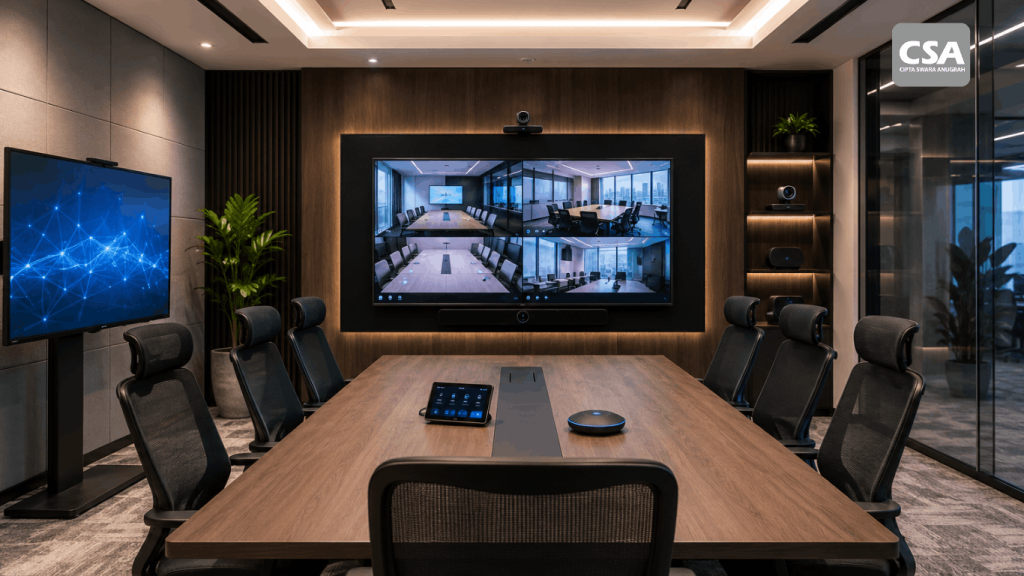
Modern Smart Meeting Room Standards for Companies in 2026

Read Also: Modern Smart Meeting Room Standards for Companies in 2026: 8 Essential Technologies You Need

Why Professional Audio Projects Always Begin with Planning

Experienced AV System Integrators understand that every successful Audio Visual project begins long before equipment is delivered.

The planning phase establishes the technical foundation for the entire installation.

Rather than recommending products immediately, professional integrators first conduct a detailed site survey.

They evaluate room dimensions, acoustic conditions, intended room functions, infrastructure availability, and user expectations.

Based on this information, engineers develop a complete sound system design tailored specifically to the project’s requirements.

Only after this process is completed do they determine which speakers, amplifiers, processors, and supporting technologies are most appropriate.

This systematic approach minimizes installation risks while ensuring the final system performs exactly as intended.

It also allows organizations to invest wisely by selecting equipment that truly matches their operational needs instead of relying solely on premium product pricing.

The Consequences of Poor Sound System Design

A poorly designed sound system can create significant operational challenges, regardless of how much money has been invested in the equipment.

One of the most common issues is uneven sound coverage. People seated near the speakers may experience excessively loud audio, while those farther away struggle to hear presentations or conversations clearly.

Speech intelligibility also becomes a major concern.

In meeting rooms, conference halls, auditoriums, and hospitality venues, clear communication is often more important than high sound pressure levels. If listeners cannot understand spoken words because of echoes, reverberation, or poor speaker placement, the system has failed to achieve its primary purpose.

Poor system design can also increase the likelihood of microphone feedback, audio distortion, and inconsistent volume levels throughout the room.

In many cases, organizations mistakenly assume that replacing speakers with more expensive models will solve these problems.

However, the real issue often lies in the system’s engineering rather than the equipment itself.

Without proper design, even premium Audio Visual products cannot deliver their intended performance.

The Role of an AV System Integrator in Designing Professional Sound Systems

Designing a professional sound system requires much more than selecting high-end equipment.

An AV System Integrator approaches every project from an engineering perspective.

Instead of asking, “Which speaker should we install?”, the first question becomes, “What does this space need to achieve?”

The design process typically begins with a detailed consultation to understand the client’s operational requirements.

This is followed by a comprehensive site survey that evaluates room dimensions, ceiling height, construction materials, acoustic characteristics, seating arrangements, and infrastructure.

Based on these findings, engineers develop a complete sound system design that includes:

  • Speaker layout and positioning.
  • Audio coverage planning.
  • Amplifier selection.
  • Digital Signal Processor (DSP) configuration.
  • Signal routing.
  • Control system integration.
  • Future scalability.

Only after the system design is finalized are specific products selected.

This methodology ensures that every component contributes to a unified Audio Visual solution rather than functioning as isolated devices.

Every Environment Requires a Different Sound System Design

No two projects are exactly alike.

A sound system that performs exceptionally well in a corporate meeting room may not be suitable for a ballroom, restaurant, auditorium, or outdoor venue.

Each environment presents unique acoustic and operational challenges.

For example, a meeting room prioritizes speech clarity and seamless video conferencing.

A ballroom requires even audio distribution across a much larger audience.

A restaurant needs comfortable background music without interfering with conversations.

An outdoor venue must withstand weather conditions while maintaining consistent sound quality across open spaces.

These differences explain why professional sound system design cannot rely on a one-size-fits-all approach.

Every project must be engineered according to its intended application.

How CSA Indonesia Designs Sound Systems That Deliver Long-Term Performance

As an experienced AV System Integrator, CSA Indonesia understands that every successful Audio Visual project begins with thoughtful planning and system design.

Rather than recommending equipment based solely on specifications or brand preferences, CSA Indonesia focuses on understanding each client’s operational goals.

The design process includes consultation, site assessment, system planning, equipment selection, installation, integration, testing, commissioning, and ongoing maintenance.

This comprehensive approach ensures that every component works together efficiently to produce clear, balanced, and reliable audio performance.

CSA Indonesia has extensive experience delivering integrated Audio Visual solutions for various industries, including corporate offices, meeting rooms, hospitality venues, restaurants, auditoriums, educational institutions, and commercial facilities.

Each project is designed individually because every environment has different acoustic characteristics, user requirements, and operational objectives.

By prioritizing engineering and system integration over equipment alone, CSA Indonesia helps organizations maximize the value of their Audio Visual investment.

Conclusion

Many organizations assume that purchasing premium speakers is the key to achieving exceptional sound quality.

In reality, outstanding audio performance depends on much more than expensive equipment.

A professionally designed sound system considers room acoustics, speaker placement, audio coverage, Digital Signal Processing, amplifier matching, system tuning, and overall integration.

These engineering elements work together to create an Audio Visual environment that delivers consistent, reliable, and intelligible sound.

This is why sound system design should always come before equipment selection.

Choosing the right speakers remains important, but selecting them without a well-planned system design often leads to disappointing results and unnecessary costs.

For organizations planning to build or upgrade professional Audio Visual systems, working with an experienced AV System Integrator such as CSA Indonesia ensures that technology investments are supported by careful engineering, strategic planning, and long-term operational reliability.

Frequently Asked Questions

Why is sound system design more important than buying expensive speakers?

Because system design determines how every Audio Visual component works together. Proper planning ensures balanced sound coverage, clear speech, reliable performance, and long-term scalability.

Can expensive speakers improve poor sound quality?

Not always. If the underlying system design is incorrect, replacing speakers with more expensive models rarely solves problems such as uneven coverage, echo, or microphone feedback.

What factors affect sound system performance besides speakers?

Room acoustics, speaker placement, audio coverage, amplifier matching, Digital Signal Processors (DSP), signal routing, and professional system tuning all have a significant impact on overall sound quality.

Why does every project require a different sound system design?

Every space has unique dimensions, acoustic properties, operational requirements, and user expectations. A customized design ensures the system performs optimally within its intended environment.

What does an AV System Integrator do during the design process?

An AV System Integrator conducts site surveys, analyzes operational needs, develops system designs, selects appropriate equipment, performs installation, configures system integration, conducts testing, and provides long-term maintenance support.

Why choose CSA Indonesia for professional sound system projects?

CSA Indonesia provides end-to-end Audio Visual solutions, from consultation and system design to installation, commissioning, and maintenance. Every project is engineered to deliver reliable performance, operational efficiency, and long-term value for the client.